
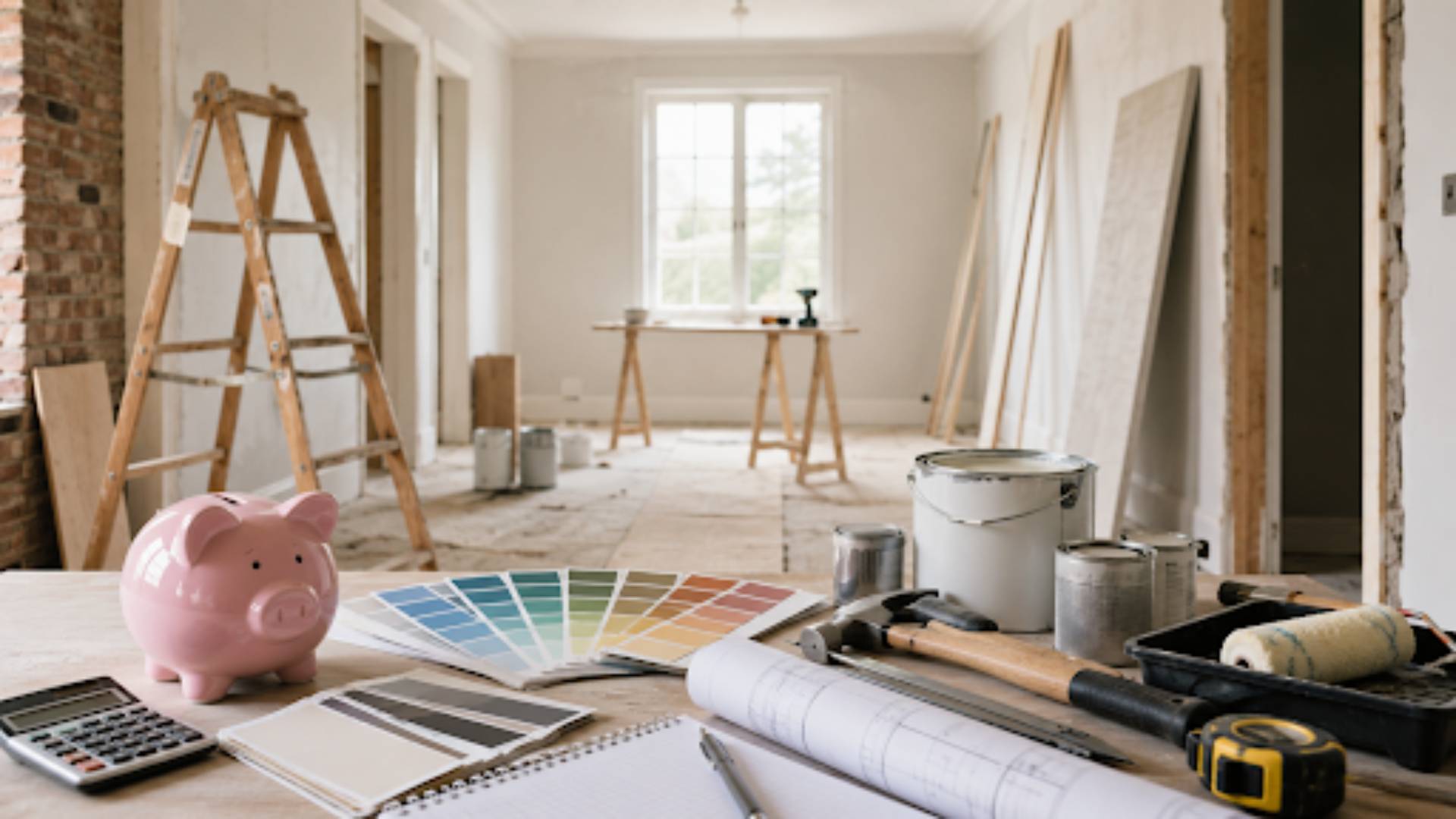
A home renovation does not have to become an all-or-nothing project. With a clear budget and sensible priorities, you can improve your home without spending money simply for the sake of spending it.
The key is knowing where to save, where to invest, and what should be completed first. Cheap materials can be perfectly suitable for some cosmetic updates, while cutting costs on electrical work, waterproofing, insulation, or structural repairs can create expensive problems later.
A smart renovation budget focuses on long-term value rather than the lowest price.
Whether you are updating one room, renovating an older property, or improving a home gradually over several years, this guide explains how to make your money work harder.
Start With Your Renovation Priorities
Before looking at paint colours, flooring samples, or kitchen finishes, decide what the renovation actually needs to accomplish.
A useful priority system is to divide planned work into four categories:
- Safety: Electrical faults, structural problems, leaks, damaged roofing, and other hazards.
- Function: Plumbing, heating, cooling, storage, lighting, insulation, and layout problems.
- Durability: Work that protects the property and reduces future maintenance.
- Appearance: Paint, decorative finishes, hardware, styling, and other cosmetic improvements.
Safety and functionality should normally come first.
There is little benefit in installing an expensive new kitchen if the roof is leaking or outdated wiring needs attention. Likewise, replacing attractive flooring makes little sense if moisture is damaging the subfloor underneath.
Once essential work is identified, you can decide which improvements provide the greatest benefit for the money available.
Build a Realistic Renovation Budget
Start with the amount you can comfortably afford rather than the maximum amount a contractor or lender says you could spend.
Then divide the budget between different areas of the project.
Your renovation budget may need to cover:
- Labour
- Building materials
- Fixtures and fittings
- Appliances
- Professional services
- Permits and inspections
- Waste removal
- Delivery charges
- Temporary accommodation, if necessary
- Repairs discovered during construction
- Contingency funds
Do not allocate every pound or dollar to planned work.
Renovation projects can uncover hidden damage once walls, ceilings, floors, or cabinets are removed. A contingency fund gives you room to deal with these problems without immediately abandoning other essential work.
For an older property or a renovation with significant uncertainty, maintaining a larger reserve can be particularly useful.
Where You Can Save Money
Saving money does not mean automatically choosing the cheapest option. It means identifying areas where a lower-cost choice can deliver an acceptable result without compromising safety, durability, or everyday performance.
Paint and Wall Finishes
Paint is one of the easiest areas to control costs.
A good-quality mid-range paint can provide an attractive and durable finish without requiring the most expensive product available.
You can also save by keeping the existing wall layout where possible. Moving walls, doors, plumbing, and electrical points can dramatically increase labour costs.
If the existing layout works reasonably well, refreshing surfaces may provide a significant visual improvement for much less money.
Cabinet Hardware
Handles, knobs, hinges, and similar details can change the appearance of a kitchen or bathroom without replacing every cabinet.
If existing cabinets are structurally sound, consider cleaning, repairing, repainting, or refinishing them before purchasing completely new units.
Replacing hardware can create a surprisingly noticeable update at a relatively modest cost.
Cosmetic Fixtures
Not every fixture needs to be the premium option.
For items such as mirrors, decorative lighting, shelving, and accessories, compare several price points and focus on appearance, quality, compatibility, and reliability.
You can often create a high-end look by combining affordable pieces with a few carefully selected statement items.
Selected Flooring
Flooring deserves more thought because durability varies significantly between materials.
However, there are often budget-friendly options that offer good appearance and everyday performance. The right choice depends on the room, expected traffic, moisture exposure, maintenance requirements, and installation conditions.
Do not select flooring based solely on its purchase price. Include underlay, preparation, installation, trims, and waste when comparing options.
Keep the Existing Layout
One of the biggest renovation savings can come from leaving the basic layout alone.
Moving a sink, toilet, shower, cooker, or major appliance can involve additional plumbing, electrical work, flooring repairs, and wall alterations.
If the existing arrangement functions well, consider improving the finishes rather than completely redesigning the space.
Where It Makes Sense to Spend More
Some renovation decisions are worth paying for because the consequences of poor quality can be expensive.
Roofing
A roof protects almost everything underneath it.
If the roof has significant damage or is approaching the end of its useful life, cosmetic improvements inside the property should not take priority.
Use qualified professionals and suitable materials rather than choosing a contractor or product based purely on the lowest price.
Waterproofing
Water-related failures can cause extensive damage.
Bathrooms, wet rooms, basements, balconies, roofs, and other moisture-prone areas need appropriate preparation and waterproofing.
Saving money by cutting corners in these areas can lead to damaged finishes, mould, structural deterioration, and expensive repairs.
Electrical Systems
Electrical work is not an area for aggressive cost-cutting.
If wiring, electrical panels, outlets, or other components need upgrading, use appropriately qualified professionals and follow local requirements.
The cheapest quote is not necessarily the safest or most reliable option.
Plumbing
Hidden plumbing problems can create serious damage.
If pipes are corroded, leaking, incorrectly installed, or unsuitable for the planned renovation, address the problem while access is available.
It can be frustrating to spend money on plumbing that nobody sees. However, reliable infrastructure is part of what makes a renovation successful.
Insulation and Energy Efficiency
Insulation is another area where spending money can provide long-term benefits.
Improving insulation, sealing unwanted air leaks, and addressing inefficient building components can make rooms more comfortable and potentially reduce heating and cooling demand.
These improvements may not have the immediate visual impact of a new kitchen worktop, but they can improve how the house performs every day.
Frequently Used Fixtures
Think about the items you interact with constantly.
A heavily used kitchen tap, shower fitting, toilet, door hardware, or appliance may justify spending more on reliability and durability.
The goal is not to buy the most expensive product. Instead, spend where repeated daily use makes quality particularly important.
Repair or Replace?
A common renovation dilemma is deciding whether something should be repaired or replaced.
Start by considering four questions:
- Is the existing item structurally sound?
- Is it still suitable for the way the space is used?
- Will repairing it provide several more useful years?
- Will replacement solve a larger problem or reduce ongoing maintenance?
For example, solid cabinets with worn finishes may be excellent candidates for repair or refinishing. Water-damaged cabinets with deteriorating materials may not be.
The same principle applies throughout the home.
Do not replace something simply because it looks dated if it remains safe, functional, and durable. At the same time, do not spend heavily repairing an item that is already approaching the end of its useful life.
Consider a Phased Renovation
You do not have to renovate everything at once.
A phased renovation can make sense when the available budget is limited.
For example, you might approach a whole-home renovation like this:
Phase 1: Safety and urgent repairs
Phase 2: Plumbing, electrical, insulation, or other infrastructure
Phase 3: Kitchen or bathroom improvements
Phase 4: Flooring and painting
Phase 5: Decorative upgrades and landscaping
This approach allows you to address the most important issues first while spreading major expenses over time.
However, think about dependencies before dividing the work.
If you know that electrical wiring will eventually need to be replaced behind a wall, it may be more economical to complete that work before painting or installing new finishes.
Account for Hidden Renovation Costs
The quoted cost of materials and labour is not always the final cost.
Common additional expenses include:
- Demolition
- Waste disposal
- Surface preparation
- Delivery
- Temporary storage
- Permit fees
- Professional inspections
- Replacement of damaged materials
- Additional electrical outlets
- Plumbing alterations
- Floor levelling
- Wall repairs
- Unexpected structural issues
- Extra labour caused by design changes
Ask contractors to explain what their proposals include and exclude.
A low quote that leaves out important work may eventually cost more than a higher but comprehensive proposal.
Be Careful With Material Substitutions
Material substitution can be an effective way to reduce renovation costs, but it needs to be done thoughtfully.
Suppose your preferred worktop is outside the budget. Rather than abandoning the renovation, compare alternative materials that provide a similar appearance and appropriate performance.
The same approach can work with:
- Flooring
- Wall tiles
- Cabinet finishes
- Light fittings
- Bathroom fixtures
- Door hardware
- Worktops
- Decorative surfaces
When comparing alternatives, consider more than appearance.
Check durability, maintenance, installation requirements, warranties, availability, and expected lifespan.
A cheaper product that needs replacing twice may not be cheaper over the long term.
Spend According to How You Use the Room
Your renovation budget should reflect your lifestyle.
A household that cooks every day may benefit from investing more in kitchen storage, work surfaces, appliances, and durable flooring.
A rarely used guest bathroom may not require the same level of investment.
Similarly, a home office used every working day deserves attention to lighting, electrical outlets, storage, acoustics, and comfort.
Think about where your money will have the greatest daily impact.
Budget Example: Updating a Kitchen
Imagine you have a limited budget for a dated kitchen.
Instead of immediately replacing everything, assess the condition of each component.
If the cabinet boxes are sound, you might retain them and spend money on:
- New hardware
- New worktops
- Improved lighting
- A durable sink and tap
- Fresh paint
- Selected cabinet repairs
If the plumbing and electrical systems also need upgrading, those should take priority over decorative additions.
On the other hand, if the cabinets are damaged and the layout is fundamentally unsuitable, putting money into cosmetic upgrades may only delay the inevitable replacement.
The right allocation depends on the condition of the existing kitchen rather than a fixed renovation formula.
Budget Example: Renovating an Older Home
Older properties can require a different strategy.
Start with the building itself.
Roofing, moisture problems, structural concerns, outdated electrical systems, plumbing, windows, insulation, and heating should be assessed before spending heavily on appearance.
Once those issues are under control, cosmetic improvements can be completed in stages.
This approach may produce less dramatic results at first, but it reduces the risk of spending thousands on finishes that later need to be removed to access essential building systems.
How to Prioritize When Money Is Tight
If your renovation budget suddenly becomes smaller than expected, do not automatically choose the cheapest materials.
Instead, reduce the scope.
For example, you might:
-
- Renovate one bathroom instead of two.
- Refinish cabinets instead of replacing them.
- Paint now and replace flooring later.
- Keep the existing layout.
- Delay decorative lighting.
- Choose a standard-size fixture instead of a custom option.
- Complete urgent repairs and postpone cosmetic improvements.
Reducing the number of things you do is often better than reducing the quality of essential work.
Create a Must-Have and Nice-to-Have List
Before signing contracts, create two lists.
Must-Have Improvements
These are items that address:
- Safety
- Structural condition
- Water damage
- Essential plumbing
- Electrical safety
- Heating or cooling problems
- Serious insulation deficiencies
- Essential functionality
Nice-to-Have Improvements
These might include:
- Premium finishes
- Decorative lighting
- Custom storage
- Luxury hardware
- High-end appliances
- Feature walls
- Non-essential landscaping
If costs increase, remove items from the second list first.
This keeps the renovation focused on what matters most.
Think About Long-Term Property Value
Renovation decisions should not be based entirely on potential resale value.
A project should first improve the home’s condition, function, comfort, or durability.
However, if you may sell in the future, avoid highly personal improvements that could make the property harder to appeal to a broad range of buyers.
Well-maintained kitchens and bathrooms, good lighting, practical storage, quality flooring, efficient building systems, and strong general maintenance can often be more useful than highly specialised luxury features.
Avoid These Common Budget Renovation Mistakes
Spending Too Much on Appearance
A beautiful finish cannot compensate for underlying building problems.
Using the Cheapest Contractor
Price matters, but experience, scope, communication, insurance, qualifications, and workmanship matter too.
Having No Contingency Fund
Unexpected problems are common enough that a renovation budget should leave some room for them.
Changing the Design Mid-Project
Late decisions can increase labour and material costs while delaying other work.
Buying Materials Before Measuring Properly
Incorrect quantities can create waste, while shortages can cause delays.
Ignoring Maintenance
A product may look excellent initially but become expensive if it requires frequent repairs or specialised maintenance.
Renovating Too Much at Once
Taking on several major projects without sufficient cash flow, time, or planning can make the entire renovation harder to control.
A Simple Renovation Budget Framework
When deciding where your money should go, use this order:
- Protect the property
Address leaks, structural concerns, roofing, moisture, and other serious issues. - Make essential systems reliable
Prioritise electrical, plumbing, heating, cooling, insulation, and other core systems. - Improve functionality
Fix layouts, storage, lighting, and features that affect daily use. - Invest in high-use items
Spend more where durability matters because the item is used frequently. - Choose sensible finishes
Look for good value rather than the lowest or highest price. - Add decorative upgrades last
Use the remaining budget for appearance and personal touches.
This framework keeps essential work protected even when the budget changes.
Frequently Asked Questions
What should I spend the most money on during a renovation?
Prioritise work that affects safety, structural integrity, waterproofing, essential building systems, and long-term durability. After that, consider where higher-quality materials will provide meaningful everyday benefits.
What are the easiest renovation areas to save money on?
Paint, decorative hardware, selected finishes, accessories, and some cosmetic updates can often offer savings without compromising essential performance. Keeping an existing layout can also reduce labour costs significantly.
Is it cheaper to renovate a house in stages?
It can be. Phased renovations allow homeowners to spread costs over time and prioritise urgent work. However, work that depends on another project should be coordinated carefully to avoid paying for the same preparation twice.
Should I buy cheap materials to stay within my renovation budget?
Not necessarily. Choose materials based on their suitability, durability, maintenance requirements, and total cost rather than purchase price alone. Cheap products are not always good value.
How can I reduce renovation costs without reducing quality?
Reduce the scope rather than cutting corners on essential work. Keep layouts where possible, repair sound existing items, compare material alternatives, and postpone cosmetic upgrades that are not immediately necessary.
Conclusion
A successful budget renovation is not about spending as little as possible. It is about spending deliberately.
Protect the property first. Address safety concerns and essential building systems before focusing on appearance. Then invest in improvements that make the home more comfortable, functional, durable, and easier to maintain.
Save where lower-cost alternatives can deliver the performance you need. Spend more where poor quality could create expensive repairs or where an item receives heavy daily use.
Most importantly, remember that you do not have to complete everything at once. A phased renovation can turn a large project into a series of manageable improvements.
With clear priorities, a realistic contingency fund, careful material choices, and a willingness to delay non-essential upgrades, even a modest renovation budget can produce meaningful results without sacrificing the quality that matters most.