
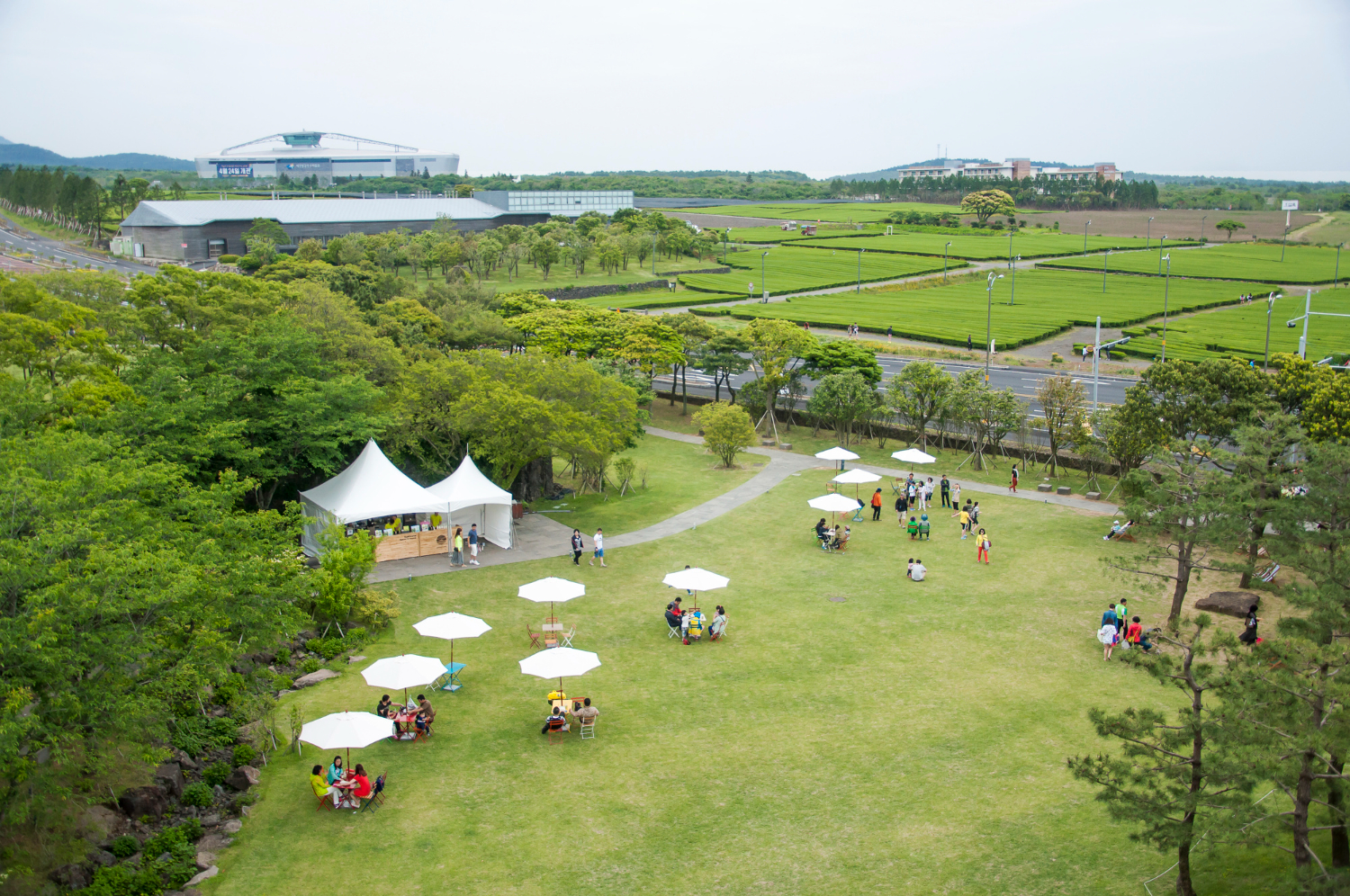
Space problems rarely arrive on a convenient timeline. A new contract lands, peak season hits, or an event calendar grows, and suddenly your current footprint is too small. Traditional construction can solve it, but it often brings long lead times and disruption. That is why many organizations now consider semi-permanent tents: engineered structures that function like practical buildings, yet can be installed and adapted far faster.
What a semi-permanent tent is
A semi-permanent tent is built to stay in place for months or years, not just a weekend. Compared with a simple marquee, it typically uses a stronger frame, durable cladding, and configurable openings. In business terms, it is a modular space solution you can scale, reconfigure, and even relocate if your site plan changes.
Common business use cases
These structures are often used as:
- Event and venue space for hospitality, production, ticketing, or covered audience areas
- Temporary warehouse buildings for overflow storage, seasonal inventory, or protected loading
- Industrial cover for workshops, maintenance bays, or short-term production lines
- Extra capacity for public services when timelines are tight
If you are searching for a temporary warehouse tent solution or an event structure that can stay up longer, semi-permanent options are designed for that middle ground.
Flexibility that supports operations
The biggest advantage is speed with control. Semi-permanent structures can often be planned and installed faster than conventional builds, which helps teams avoid months of operational constraints.
They are also flexible in how they are fitted out. Depending on the supplier and application, you can plan for:
- Dimensions that match your available footprint
- Access doors suitable for staff flow or forklift traffic
- Flooring options for hygiene, comfort, or heavy-duty use
- Lighting and ventilation to support daily work
Because the layout is modular, it is easier to add length or adjust access points later than it would be with a fixed building.
Cost and value without overbuilding
Cost is not only about the structure itself, but about time-to-use and risk. A semi-permanent tent can reduce the gap between identifying a need and operating in the space, which is critical when revenue depends on capacity.
It can also help avoid overbuilding. If demand changes, a modular structure may be expanded, reduced, or moved, protecting investment.
For a clearer view of configuration options and what to ask for in a quote, see this overview of a semi permanent tent and compare solutions based on your specific use case.
A quick real-world scenario
Consider a logistics company facing a three-month seasonal surge. Renting scattered off-site storage adds transport time and increases handling risk. A semi-permanent warehouse tent placed near the loading area can create a single, protected workflow for inbound and outbound goods. When the surge ends, the structure can be repurposed for returns processing or relocated to another site.
Safety and compliance questions to ask
Treat the structure like a facility asset. Before committing, confirm:
- Design expectations for wind and weather exposure
- Fire safety features and emergency exit planning
- Installation responsibilities, inspections, and maintenance
- Internal layout needs for safe movement and visibility
For many businesses, semi-permanent tents are a practical middle option: faster than construction, more capable than short-term cover, and easier to adapt as priorities change.