
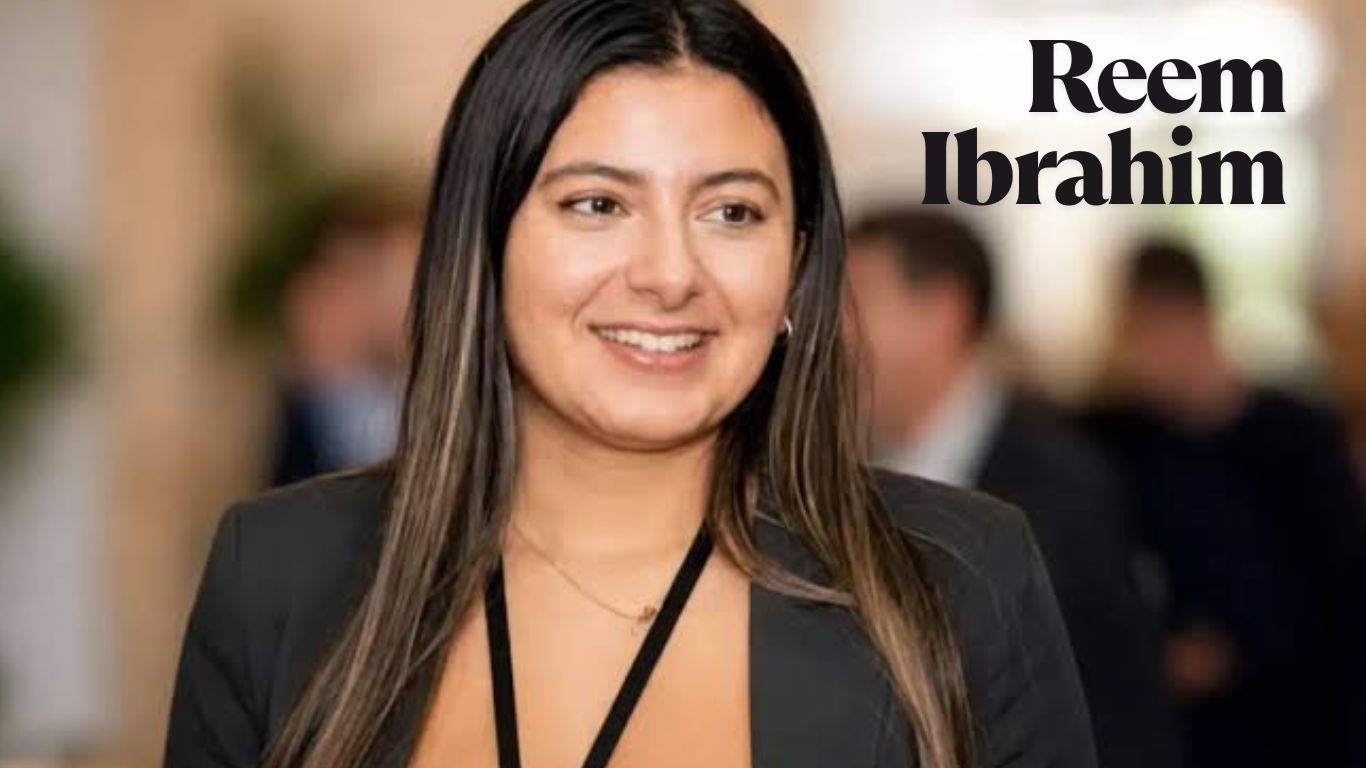
Reem Ibrahim’s age has become one of the most searched aspects of her public profile, largely because of the speed at which she entered the world of political commentary. While many young commentators take years to establish themselves, Ibrahim gained recognition in her early twenties through broadcasting, digital media, policy discussions, and free-market advocacy.
Recent public profiles describe Reem Ibrahim as being 23 years old, although her exact date of birth has not been widely confirmed through official public records. Rather than the number itself, what makes her age notable is the level of influence she has built at such an early stage of her career.
Today, Ibrahim is recognised as a British broadcaster, digital creator, and political commentator associated with economic and policy discussions. She has appeared in debates surrounding individual freedom, markets, socialism, consumer choice, taxation, housing, vaping regulations, and generational politics.
For many audiences, the question of “How old is Reem Ibrahim?” is only the beginning. The more interesting story is how someone in her early twenties developed a public voice strong enough to participate in national conversations usually dominated by more experienced journalists, economists, and politicians.
How Old Is Reem Ibrahim?
According to recent public profiles and media appearances, Reem Ibrahim is 23 years old. She is generally described as being among the younger generation of British political commentators, although there is no widely verified public record confirming her exact birthday.
Age has become a point of interest because Ibrahim’s professional achievements appear advanced compared with many people in the same age group. She has already built experience in broadcasting, political communication, and think-tank work while engaging with debates on major economic and social issues.
Her generation also influences the topics she discusses. Unlike commentators who analyse youth issues from a distance, Ibrahim belongs to the same age group as many of the young people affected by debates around housing, employment, education, and economic opportunity.
This connection has become a significant part of her public identity, particularly because she challenges the assumption that younger generations naturally support larger government intervention or left-wing economic policies.
Early Life and Family Background
Reem Ibrahim was born in London and grew up in Hillingdon, West London. Public profiles have highlighted her Egyptian and Moroccan heritage, which forms part of her personal background and identity.
Despite public interest in her family history, Ibrahim has largely kept her private life separate from her professional career. She has focused more on her ideas, political views, and media work rather than sharing extensive details about family relationships.
Before becoming known for political commentary, Ibrahim developed interests in creative expression, storytelling, and communication. Her early involvement with musical theatre and performance helped build skills that later became valuable in broadcasting, public speaking, and media appearances.
These experiences contributed to her confidence as a communicator, allowing her to present complex political and economic ideas in a way designed to reach wider audiences.
Education and Political Development
Reem Ibrahim studied at the London School of Economics and Political Science (LSE), one of the UK’s most respected institutions for economics, politics, and public policy. Her academic background played an important role in shaping her interest in political philosophy and economic debate.
One of the most discussed parts of Ibrahim’s personal journey is the change in her political views over time. She has spoken publicly about previously being interested in the ideas associated with Jeremy Corbyn during her teenage years before later moving towards classical liberal and libertarian perspectives.
This shift became a central part of her public narrative. Ibrahim often references her personal political evolution when discussing how people’s beliefs can change through education, reading, and exposure to different ideas.
During her studies, she explored the works of influential thinkers including Ayn Rand, Milton Friedman, Friedrich Hayek, Ludwig von Mises, John Locke, John Stuart Mill, and Murray Rothbard. These writers influenced her views on individual liberty, free markets, personal responsibility, and the relationship between citizens and government.
Her political philosophy continues to shape much of her commentary today, particularly when discussing economic freedom and the role of state regulation.
From Online Commentary to National Recognition
Reem Ibrahim’s public career began during the COVID-19 pandemic, when she started sharing political commentary through social media platforms and digital content. Like many younger commentators who built audiences online before entering traditional media, Ibrahim used short-form videos and online discussions to introduce her views on economics, politics, and personal freedom.
Her early content focused heavily on topics such as free-market principles, individual responsibility, criticism of socialist policies, and the role of government in people’s everyday lives. Rather than presenting herself as politically neutral, she developed a clear ideological position, which helped her attract both supporters and critics.
Her confidence, consistency, and ability to communicate complex political ideas helped her gain recognition among audiences interested in alternative perspectives on economics and public policy.
According to publicly available biographies, Ibrahim entered television discussions at around the age of 19. Her early involvement in national media placed her among a younger group of political commentators gaining visibility in Britain’s changing media landscape.
Role at the Institute of Economic Affairs
A significant part of Reem Ibrahim’s career has been connected to the Institute of Economic Affairs (IEA), a British think tank focused on free-market economics and classical liberal ideas.
Ibrahim has been recognised as a Linda Whetstone Scholar and has worked in areas connected with media, communication, and public engagement. Through this role, she has participated in discussions surrounding economic freedom, regulation, taxation, public spending, and market-based approaches to social issues.
Her involvement with the IEA has also connected her with economists, researchers, and policy thinkers who share an interest in limited government intervention and individual choice.
Beyond research and policy discussions, Ibrahim has become a visible public representative of these ideas through interviews, podcasts, articles, and media appearances. Her work combines political communication with advocacy, allowing her to bring economic debates to a wider audience.
Media Career and Public Recognition
As her profile grew, Reem Ibrahim became a familiar face across British media platforms. She has contributed commentary through television, radio, and online discussions, sharing her views on political and economic issues.
She has appeared in conversations involving outlets such as the BBC, LBC, Channel 5, GB News, and TalkTV, where she has discussed subjects including capitalism, government regulation, consumer freedom, and social policy.
A consistent theme throughout her media appearances is her support for:
- free-market economics
- individual choice
- reduced government intervention
- personal responsibility
- policies that encourage entrepreneurship and opportunity
Her approach has made her popular among audiences who value economic liberalism and younger voices in political discussions. However, like many public commentators with strong ideological positions, her views have also attracted criticism from those who disagree with her approach.
Supporters often describe her as a confident younger voice challenging mainstream political assumptions, while critics argue that her views can overlook wider social inequalities and the complexities of government policy.
Views on Consumer Choice, Vaping, and Regulation
One of the policy areas most closely associated with Reem Ibrahim is consumer choice, particularly in discussions surrounding vaping and smoking regulation.
Ibrahim has supported harm-reduction approaches that encourage adult smokers to consider alternatives that may be less harmful than traditional cigarettes. She has criticised some stricter regulations on vaping products, arguing that excessive restrictions can reduce personal choice and limit access to alternatives.
Her position reflects her broader political philosophy, which places importance on individual autonomy and the idea that adults should have the freedom to make informed decisions.
However, vaping regulation remains a highly debated issue. Supporters of stronger restrictions often highlight concerns around youth access, advertising, environmental waste, and public health. Those with views similar to Ibrahim argue that regulations should balance these concerns with the ability of adults to access alternatives.
She has also spoken about proposed smoking restrictions affecting hospitality businesses, including pubs and shisha cafés, focusing on how regulations can impact small businesses and personal freedoms.
These debates demonstrate the wider themes present throughout her work: the relationship between government authority, consumer rights, and individual choice.
Political Identity and Ideology
Reem Ibrahim is commonly described as a classical liberal or libertarian commentator because of her support for free markets, limited government, and individual liberty.
Her political journey is one of the most discussed parts of her public profile. She has openly described moving from more left-leaning political interests during her teenage years towards free-market ideas as she became more involved in economics and political philosophy.
This personal transformation has become an important part of her public story because it challenges assumptions about younger generations and political identity.
Ibrahim frequently discusses whether young people are naturally drawn towards greater government involvement or whether there is growing interest among younger voters in ideas centred around economic freedom and personal independence.
While political labels help explain her general position, her public work is largely focused on specific themes: markets, liberty, opportunity, consumer choice, and limiting what she views as unnecessary government control.
Personal Life, Relationships, and Privacy
Despite public curiosity about her personal life, Reem Ibrahim has kept details about relationships, marriage, and family matters largely private.
There is no confirmed public information indicating that she is married or has children. Unlike some public figures who share their personal lives openly, Ibrahim has built her public identity primarily around her professional work, political views, and media appearances.
Interest in details such as her partner, family, religion, or private lifestyle is common among people who gain public attention. However, professional achievements and personal privacy often remain separate, and unverified claims should be treated carefully.
The information most clearly available about Ibrahim relates to her education, career, London upbringing, cultural background, and involvement in political commentary.
Net Worth and Sources of Income
Reem Ibrahim’s exact net worth is not publicly confirmed. Online estimates that provide specific financial figures are generally not supported by verified financial records and should be viewed cautiously.
As a young media professional and policy commentator, her income is likely connected to areas such as broadcasting, communications, writing, speaking engagements, and think-tank work.
Unlike entertainment personalities or business founders with publicly available financial information, political commentators rarely have reliable public records showing their earnings or assets.
At this stage of her career, Ibrahim’s influence is better measured through her growing media presence, public discussions, and policy contributions rather than financial estimates.
Public Reaction and Criticism
Reem Ibrahim’s public image is shaped by three key elements: her age, confidence, and willingness to defend unpopular opinions.
Supporters view her as an example of a younger generation engaging seriously with politics, economics, and public debate. They appreciate her ability to challenge commonly accepted views and communicate free-market arguments in a modern media environment.
However, her association with free-market organisations and her criticism of government intervention have also attracted criticism. Some commentators question the influence of think tanks like the IEA, while others argue that market-focused policies may not fully address issues such as inequality, public services, and social challenges.
These disagreements are part of what makes her a notable figure in political commentary. She is not simply a presenter sharing neutral analysis; she actively participates in ideological debates and presents a clear perspective.
Where Is Reem Ibrahim Now?
Today, Reem Ibrahim remains one of Britain’s younger political commentators, continuing to contribute to discussions around markets, freedom, consumer choice, and the future of capitalism.
Although many people first discover her through searches about her age, her wider career story focuses on how quickly she moved from online commentary to national political conversations.
Her future influence will depend on how she develops her arguments, expands her public work, and engages with audiences beyond existing political communities.
Whether audiences agree with her views or challenge them, Ibrahim represents a growing trend of younger commentators using digital platforms to influence traditional political conversations.
Frequently Asked Questions
How old is Reem Ibrahim?
Reem Ibrahim is reported to be 23 years old according to recent public profiles. However, her exact date of birth has not been widely verified through official public sources.
What is Reem Ibrahim known for?
Reem Ibrahim is known as a British broadcaster, political commentator, digital creator, and free-market advocate. She is recognised for discussing economics, individual liberty, regulation, and consumer choice.
Where is Reem Ibrahim from?
Reem Ibrahim was born in London and raised in Hillingdon, West London. Public profiles have mentioned her Egyptian and Moroccan heritage.
Did Reem Ibrahim study at LSE?
Yes, Reem Ibrahim attended the London School of Economics and Political Science, where she developed a stronger interest in politics, economics, and political philosophy.
Is Reem Ibrahim married?
There is no confirmed public information about Reem Ibrahim’s marital status or whether she has a partner. She has kept her personal relationships private.
What is Reem Ibrahim’s net worth?
Her net worth has not been publicly verified. Any specific figures found online should be treated cautiously unless supported by reliable financial information.
Why do people search for Reem Ibrahim’s age?
Interest in her age comes from the fact that she became involved in national political discussions at a relatively young age. Many people are curious about how she achieved public recognition so early in her career.
Final Thoughts
Reem Ibrahim’s age may be the detail that first attracts attention, but it is only one part of her story. Her rise from online political commentary to national media discussions reflects the changing landscape of modern political communication.
Her background in London, education at LSE, evolving political views, and work in media and policy have shaped her public identity. Whether discussing economic freedom, consumer choice, or government regulation, she has established herself as a distinctive younger voice within British political debate.
As her career continues, her long-term influence will depend on her ability to develop deeper policy discussions, maintain public trust, and engage with a wider range of perspectives.