
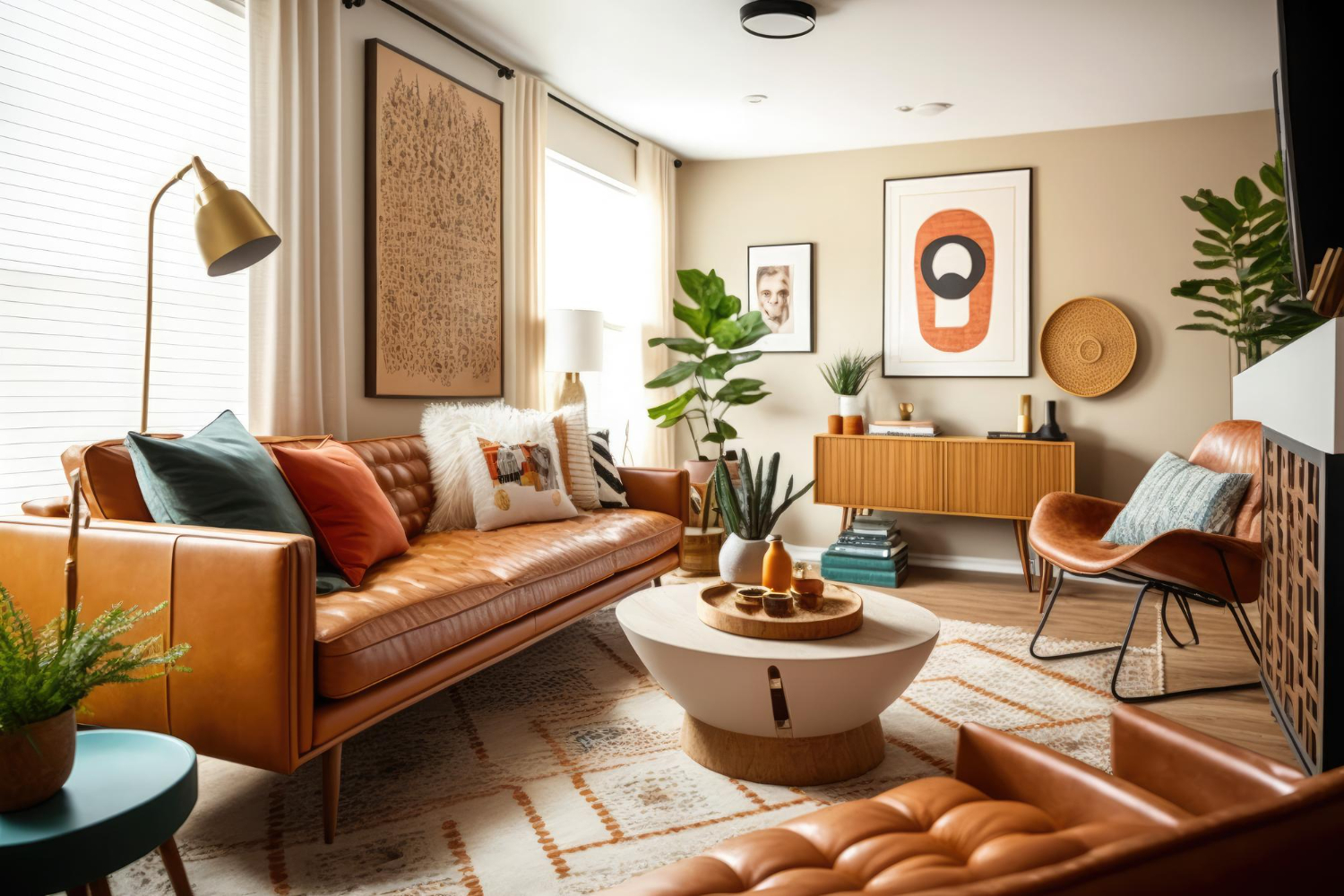
Your home does not need a complete renovation to feel fresh. Sometimes, changing a few key details, such as lighting, colour, furniture or texture, can make a room feel completely different.
Interior trends are also moving towards spaces that feel more personal and comfortable. Instead of copying a showroom look, homeowners are choosing practical designs that reflect how they actually live.
From warmer colour palettes and natural materials to curved furniture and more thoughtful lighting, there are plenty of ways to update your space without starting from scratch.
Here are some of the interior trends worth considering if you want your home to feel more inviting, modern and personal.
1. Warm, Earthy Colours
Cool grey interiors are making way for warmer shades that create a more comfortable atmosphere. Think soft beige, terracotta, olive green, warm brown and muted cream.
You do not need to repaint every wall. Try introducing these colours through:
- Cushions and throws
- Rugs
- Curtains
- Artwork
- Accent chairs
- Ceramic pieces
- Painted feature walls
How to Use Earthy Colours
For a simple update, keep your main walls neutral and add one or two warmer shades through furniture and accessories. This gives you flexibility if you want to change the look later.
Olive green works particularly well in living rooms, while warm beige and cream can help smaller spaces feel softer and more relaxed.
2. Natural Materials and Textures
Natural materials can add warmth and character to an otherwise simple room. Wood, linen, wool, rattan, stone and ceramic finishes all bring different textures into the space.
Rather than using one material throughout a room, combine several.
For example, a wooden coffee table can work with a linen sofa, a wool rug and ceramic lamps. The result feels layered without being overly decorated.
Why Texture Matters
Texture becomes especially useful in neutral interiors. If your room uses mostly cream, beige or brown, different materials stop the space from looking flat.
A chunky knit throw, woven basket or wooden side table can make a noticeable difference without taking up much space.
3. Curved Furniture
Straight lines are no longer the only option for modern interiors. Sofas, armchairs, coffee tables and mirrors with rounded shapes can make a room feel softer.
A curved armchair can be an easy place to start if you do not want to replace larger pieces of furniture.
Where Curves Work Best
Curved furniture can work particularly well in:
- Living rooms
- Reading corners
- Bedrooms
- Hallways
- Open-plan spaces
Pair rounded furniture with simple straight-lined pieces so the room still has structure.
4. Layered Lighting
Good lighting can completely change how a room feels, yet it is often overlooked.
Instead of relying on one ceiling light, create different levels of lighting. A combination of ceiling fixtures, floor lamps, table lamps and wall lights gives you more control throughout the day.
A Simple Lighting Plan
Try using three layers:
Ambient lighting: Your main source of light, such as a ceiling fixture.
Task lighting: Focused light for reading, working or cooking.
Accent lighting: Softer lighting used to highlight artwork, shelves or architectural details.
Warm-toned bulbs can also help living rooms and bedrooms feel more comfortable in the evening.
5. Statement Lighting
Lighting can also become part of the room’s design rather than simply serving a practical purpose.
A large pendant above a dining table, a sculptural floor lamp beside a sofa or a distinctive wall light can act as a focal point.
If the rest of the room is fairly simple, one interesting light can add personality without making the space feel crowded.
6. Biophilic Interior Design
Bringing elements of nature indoors continues to be a popular approach to home design.
Houseplants are the obvious choice, but biophilic design can go further. Natural wood, stone, botanical artwork, daylight and views of outdoor spaces can all contribute to the feel.
Easy Ways to Add Nature
You could start with:
- A large floor plant
- Small plants on shelves
- Wooden furniture
- Linen curtains
- Botanical prints
- Natural stone accessories
- A small indoor herb garden
Choose plants based on the amount of natural light available rather than buying plants simply because they look good.
7. More Personal Walls
Highly coordinated wall décor can sometimes make a home feel impersonal. A more relaxed approach is to display things that actually mean something to you.
This could include travel photographs, family pictures, vintage finds, illustrations, prints or objects collected over time.
Create a Gallery Wall
A gallery wall does not need to be perfectly symmetrical. Mix different frame sizes and artwork styles while keeping one element consistent, such as a similar colour palette.
Before putting anything on the wall, arrange the pieces on the floor first. This makes it easier to experiment with the layout.
8. Multifunctional Furniture
Homes are increasingly expected to serve several purposes. A living room might also be a workspace, dining area or place to exercise.
Multifunctional furniture can help make better use of limited space.
Consider:
- Storage ottomans
- Extendable dining tables
- Sofa beds
- Nesting tables
- Wall-mounted desks
- Benches with hidden storage
- Modular shelving
The key is to choose pieces that solve a real problem rather than adding furniture simply because it looks useful.
9. Smaller, More Intentional Spaces
Open-plan interiors remain popular, but there is also growing interest in creating defined areas within larger rooms.
You can separate spaces without building walls.
A rug can define a seating area, a bookshelf can create a visual divider, and pendant lighting can help mark a dining zone.
This approach is especially useful in apartments and smaller homes where every area needs to work harder.
10. Sustainable and Second-Hand Pieces
A stylish interior does not have to be built entirely around new furniture.
Vintage furniture, second-hand pieces and restored items can give a room more character while helping you avoid unnecessary purchases.
Look for solid wood furniture, older lamps, vintage mirrors and well-made chairs that can be repaired or updated.
Make Old Furniture Feel New
A simple change such as replacing handles, sanding wood or reupholstering a chair can give an older piece a completely different look.
It can also create a more individual interior than buying everything from the same collection.
Why It’s Worth Updating Your Interior
The best interior trends are not necessarily the ones that look impressive in photographs. They are the ones that make your home work better for everyday life.
A warmer colour scheme can make a room feel more comfortable. Better lighting can change the mood. Smart storage can reduce clutter. Natural materials can add warmth, while personal objects can make the space feel like yours.
You also do not need to follow every trend. Choosing two or three ideas that suit your home will usually create a more timeless result than trying to use everything at once.
How to Bring These Trends Into Your Home
Start With What You Already Have
Before buying anything, look at your existing furniture and décor. Decide what still works and what could be moved, repaired or updated.
Sometimes changing the position of a sofa or adding a different rug can make more difference than expected.
Choose One Main Direction
Pick a general feeling for the room. You might want it to feel warm, natural, calm or more colourful.
This makes it easier to decide which trends actually belong in the space.
Add Changes Gradually
Start with smaller items such as cushions, lamps, artwork or plants. Once you know what works, consider larger purchases such as a sofa, dining table or armchair.
This approach can also help you avoid spending money on pieces that do not suit the finished room.
Think About Everyday Use
A beautiful room still needs to be practical.
Ask yourself how the room is actually used. If the coffee table is always covered with books and laptops, storage may be more useful than another decorative object.
Practical Tips Before You Start
- Set a budget: Decide how much you are comfortable spending before shopping.
- Measure first: Check the size of furniture and the available space before ordering.
- Test colours: Look at paint and fabric samples in both daylight and evening light.
- Think about maintenance: Light fabrics and delicate finishes may not be ideal for busy family spaces.
- Avoid rushing: Live with smaller changes for a few days before deciding what else the room needs.
Team Insight
We think the most interesting interiors are the ones that do not look like they came from a single catalogue.
A beautiful home should have some personality. Keep the pieces you genuinely like, bring in natural textures, improve the lighting and choose trends that fit your lifestyle. You do not need to redesign everything every year to have a home that feels current.
FAQs
What are the biggest interior trends right now?
Warm colours, natural materials, layered lighting, curved furniture, personal décor, multifunctional furniture and nature-inspired interiors are all strong directions for modern homes.
How can I update my home without renovating?
Start with lighting, textiles, artwork, plants and furniture placement. These changes can refresh a room without major structural work.
What colours make a living room feel warmer?
Warm beige, cream, terracotta, muted green, soft brown and other earthy shades can create a warmer and more relaxed atmosphere.
How can I make a small room look better?
Use furniture that fits the scale of the room, make use of vertical storage and create defined areas with rugs or lighting. Avoid filling the room with too many large pieces.
Is curved furniture suitable for small spaces?
Yes. A curved chair or small rounded coffee table can work well in a compact room, particularly when its shape allows easier movement around it.
Final Thoughts
The right interior trends can transform a living space without turning the process into a major renovation. Warmer colours, natural materials, better lighting, curved furniture, greenery and flexible storage can all make a room feel more comfortable and considered.
The important thing is not to follow trends simply because they are popular. Choose the ideas that make sense for your space, budget and daily routine.
A few thoughtful changes can often make your home feel completely different while still feeling like your own.