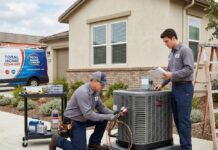

Cold weather places extra strain on commercial heating systems. Low temperatures, frost, and ice can slowly affect performance without causing an immediate breakdown. Many businesses only notice a problem when heating fails at the worst possible time. By then, damage is often extensive and costly.
Understanding how ice affects heating systems allows early action. It also helps protect comfort, safety, and business continuity during winter months. Awareness is the first step in avoiding disruption and unnecessary expense.
How Ice Affects Heating Systems
Ice forms when moisture meets freezing air. In commercial buildings, moisture can collect inside pipework, vents, or outer units. When this moisture freezes, it expands and places pressure on system parts. Over time, this pressure weakens materials and affects performance.
Applying essential heating maintenance tips during cold spells reduces this risk. These essential heating maintenance tips focus on keeping systems dry, clear, and stable. Without them, small ice patches can grow and cause lasting damage that is not always visible.
Early Warning Signs You Should Watch For
The first signs of ice damage are often easy to miss. Heating may feel slower or uneven across the building. Some areas may stay cool despite the system running for longer periods.
Listening carefully matters. Sounds such as light knocking or rattling during start-up can point to ice stress. Following essential heating maintenance tips helps spot these clues early. When essential heating maintenance tips are applied consistently, problems are often caught before failure occurs.
Visual Signs Around the Heating System
A simple visual check can reveal early ice damage. Frost or ice around external units is one of the clearest signs. While some frost is normal in extreme cold, ice that remains during operation is a concern.
Look for these visible warning signs:
- Ice buildup near vents or pipes
- Damp patches or water stains after thawing
- Rust or discolouration on outer surfaces
- Blocked outlets caused by frozen debris
These signs suggest trapped moisture or restricted airflow. Both increase the risk of further ice damage.
Performance Issues During Cold Weather
Ice damage often affects how a system performs under pressure. During the coldest days, heating may struggle to keep up with demand. This drop in output is not normal and should be investigated.
Other performance issues include:
- Frequent stopping and starting
- Longer warm-up times
- Reduced airflow through vents
- Inconsistent temperatures across floors
These issues indicate stress caused by freezing conditions. Early checks can prevent a complete system shutdown.
Why Ignoring Ice Damage Is Risky
Ice damage rarely stays minor. When left unchecked, pressure continues to build inside the system. Small cracks can widen, leading to leaks or part failure. Repairs then become more complex and expensive.
There are also safety and comfort concerns. Poor heating affects staff wellbeing and productivity. In some cases, damaged systems can impact indoor air quality. Prompt attention reduces these risks and protects long-term system health.
Practical Steps to Reduce Ice Damage
Preventing ice damage starts with preparation. Systems that are well cared for before winter cope better with cold weather. Simple actions make a real difference.
Key prevention steps include:
- Clearing vents and outdoor units regularly
- Ensuring drainage paths remain open
- Checking for signs of moisture buildup
- Scheduling winter inspections
These steps help limit moisture and reduce freezing risks. Consistency is more important than complexity.
The Role of Regular Winter Checks
Regular checks during winter help identify changes early. Conditions can shift quickly during cold snaps. What worked one week may fail the next if temperatures drop sharply.
Routine monitoring allows small adjustments before damage sets in. It also supports steady heating performance during peak demand. This approach reflects experience, care, and responsible system management.
Final Words
Ice damage develops quietly but causes serious problems when ignored. Cold weather testing is unavoidable, but failure is not. By recognising early signs, watching performance closely, and following sound maintenance practices, businesses can avoid disruption. A prepared approach keeps commercial heating reliable, safe, and effective throughout the winter season.