
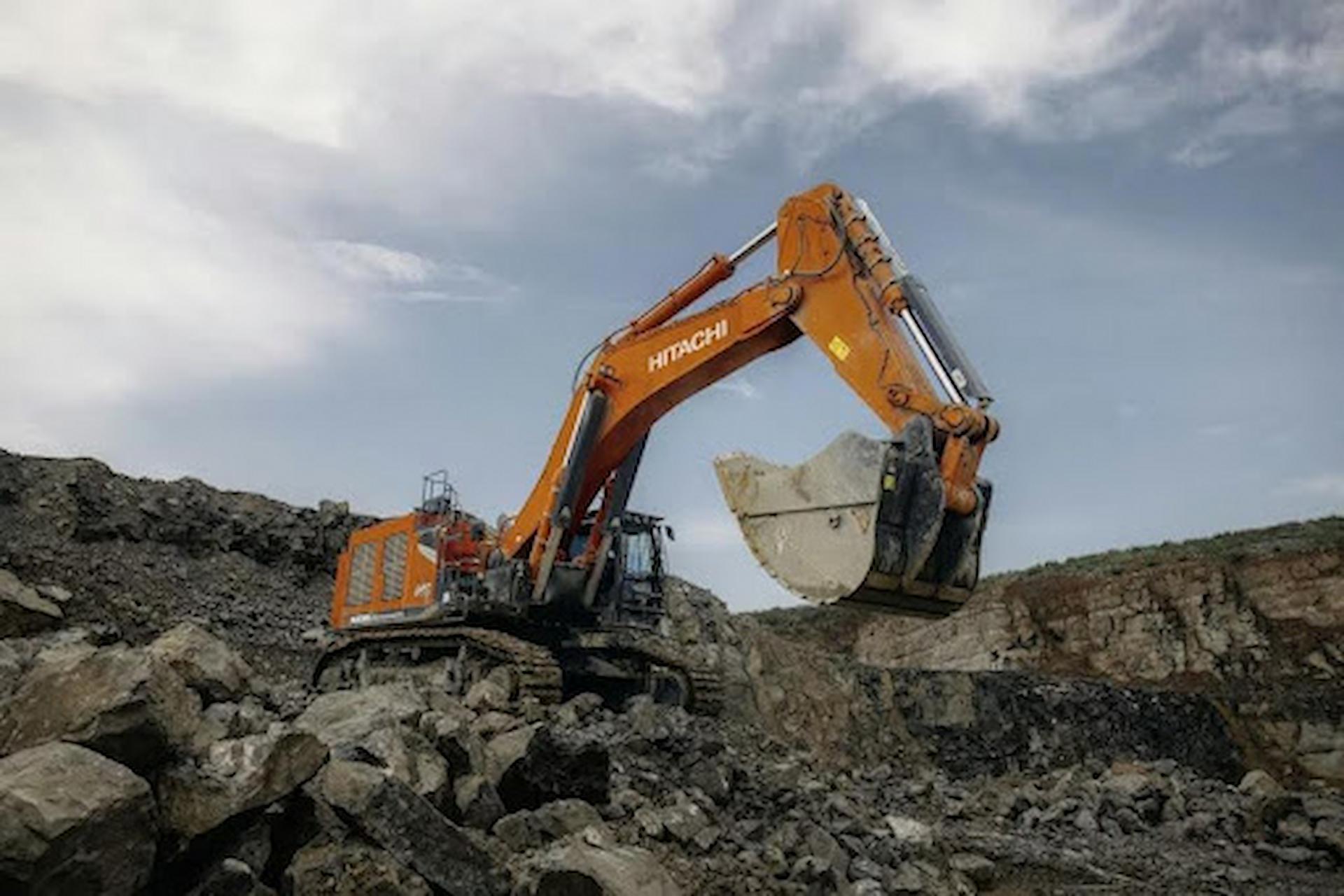
From the first drilled hole to the final processed material, mining extraction relies on a carefully coordinated set of machines. Each piece of equipment plays a defined role in turning raw rock into usable resources. Understanding these systems reveals how modern mining balances productivity, precision, and control
Introduction
Mining extraction is the foundation of every mineral-based industry, defining how raw material is accessed, reduced, and prepared for processing. From hard rock and overburden to recycled aggregates, the choice of extraction equipment directly affects productivity, material consistency, and operational control. As mining operations move toward flexible, site-responsive layouts, Sandvik mobile impact crushers are increasingly used at the extraction stage to reduce blasted material close to the source and maintain a steady feed for downstream processes. This shift away from fixed crushing installations allows operators to shorten haul distances, improve material flow, and respond more efficiently to changing ground conditions. This article examines the key types of mining equipment used for extraction and explains how each machine supports a controlled, efficient extraction process.
Drilling Equipment as the Starting Point of Extraction
Drilling equipment initiates the extraction process by creating access points within rock or soil. These machines are designed to penetrate varying ground conditions, from soft overburden to hard rock formations. Precision at this stage is critical. Accurate drilling patterns influence blast effectiveness, fragmentation size, and downstream efficiency.
Modern drilling rigs are built for stability and consistency. They allow operators to control depth, angle, and spacing with accuracy, reducing waste and improving fragmentation quality. Well-executed drilling reduces the load on crushers and screens later in the process, supporting smoother material flow and lower energy use.
Blasting Tools and Controlled Rock Fragmentation
Blasting equipment works alongside drilling to break rock into manageable sizes. While explosives often receive the most attention, the supporting systems are equally important. Detonation controls, timing devices, and safety mechanisms ensure that blasts achieve the intended fragmentation without unnecessary disruption.
Controlled blasting reduces oversized material and minimises the need for secondary breaking. This has a direct impact on extraction efficiency, as consistent rock size improves handling and processing performance. Proper blasting design also protects equipment by limiting excessive shock and uneven material flow.
Excavators and Loaders for Material Recovery
Once material is fragmented, excavation equipment takes over. Hydraulic excavators and wheel loaders are the primary machines used to recover blasted material. Their role is to move material efficiently from the extraction face to haulage or processing points.
Excavators provide reach and digging power, making them suitable for confined or uneven extraction zones. Loaders excel in fast cycle times and high bucket capacities, supporting rapid material movement. Selection depends on site layout, material type, and production targets. Efficient loading reduces idle time across the entire operation.
Haul Trucks and Material Transportation
Transportation equipment links extraction to processing. Haul trucks are designed to carry heavy loads across challenging terrain while maintaining stability and speed. Their capacity and reliability directly influence production rates.
Optimised haulage routes, combined with well-matched truck fleets, reduce fuel use and cycle time. Consistent material delivery ensures that crushers and screens operate at steady rates, avoiding bottlenecks and underutilisation.
Crushing Equipment as the Core of Material Processing
Crushing equipment transforms extracted rock into usable material sizes. Primary crushers handle large fragments, while secondary and tertiary crushers refine material for specific applications. This stage is central to extraction efficiency, as crushing performance determines output quality and throughput.
Mobile crushing solutions have become increasingly important in modern mining. By reducing the distance between extraction and processing, they limit material handling and improve flexibility. Equipment such as Sandvik mobile impact crushers demonstrates how integrated crushing systems support efficient on-site processing while adapting to changing extraction zones.
Screening Equipment for Size Separation
Screening equipment works in tandem with crushers to separate material by size. Screens ensure that only correctly sized material progresses through the system, while oversized material is returned for further crushing.
Efficient screening improves product consistency and reduces unnecessary reprocessing. Adjustable screen decks and vibration controls allow operators to fine-tune output without altering the entire system. This adaptability is essential for meeting changing material specifications.
Mobile Equipment and Flexible Extraction Layouts
Mobility has reshaped extraction strategies. Mobile equipment allows processing to move closer to the extraction face, reducing haul distances and material handling stages. This approach supports phased mining and improves responsiveness to geological variation.
Systems built around mobile crushers and screens enable modular layouts that evolve with the site. Solutions incorporating Sandvik mobile impact crushers are often selected for their ability to handle variable feed material while maintaining consistent output. This flexibility supports both short-term efficiency and long-term planning.
Automation and Monitoring in Extraction Equipment
Automation has become a defining feature of modern mining equipment. Sensors, control systems, and monitoring tools provide real-time insight into machine performance and material flow. These systems support consistent operation and reduce reliance on manual intervention.
Automated controls help maintain optimal crusher settings, regulate feed rates, and detect anomalies early. This improves equipment lifespan and reduces unplanned downtime. Data-driven extraction allows operations to adjust quickly while maintaining output quality.
Safety-Focused Design in Extraction Machinery
Safety considerations are embedded into extraction equipment design. Guarding, emergency stop systems, and controlled access points protect operators during routine use and maintenance. Stable machine geometry and controlled movement reduce risk in challenging environments.
Well-designed equipment supports safe workflows by reducing exposure to hazards. Consistent material flow, predictable machine behaviour, and clear control interfaces all contribute to safer extraction operations without compromising productivity.
Choosing the Right Equipment for Extraction Efficiency
Selecting extraction equipment requires alignment between geology, production targets, and operational constraints. No single machine operates in isolation. Performance depends on how well each piece integrates into the overall system.
Key considerations include material hardness, moisture content, desired output size, and site layout. Equipment that supports adaptability, such as mobile crushers and adjustable screens, provides long-term value by accommodating changing conditions without major reconfiguration.
Frequently Asked Questions
What is mining extraction equipment?
Mining extraction equipment refers to the machines used to access, break, and recover raw material from the ground. These systems prepare material for transport and processing while maintaining control over safety, productivity, and material consistency.
Which equipment starts extraction?
Extraction typically begins with drilling and blasting equipment. Drilling creates controlled access points in the rock, while blasting breaks material into manageable sizes for excavation and processing.
Why is crushing required?
Crushing reduces large rock fragments into sizes suitable for handling, screening, and further processing. It helps maintain consistent material flow and prevents downstream equipment overload.
What role does mobile crushing play?
Mobile crushing allows material to be processed closer to the extraction face. This reduces haul distances, limits material handling stages, and improves overall operational efficiency.
Where are Sandvik mobile impact crushers used?
Sandvik mobile impact crushers are used near the extraction area to perform on-site material reduction, supporting flexible layouts and consistent feed for subsequent processing stages.
Conclusion
Mining extraction relies on a coordinated system of specialised equipment, each performing a distinct role within the production chain. From drilling and blasting to excavation, hauling, crushing, and screening, every stage influences efficiency, safety, and output quality. Modern extraction increasingly prioritises flexibility, automation, and controlled processing. Mobile solutions, particularly systems incorporating Sandvik mobile impact crushers, support these goals by reducing material handling and enabling adaptable layouts. By understanding how extraction equipment functions as an integrated system, operators can make informed decisions that improve consistency, control costs, and support sustainable long-term operations.
Conclusion
Mining extraction relies on a coordinated system of specialized equipment, each performing a distinct role within the production chain. From drilling and blasting to excavation, hauling, crushing, and screening, every stage influences efficiency, safety, and output quality. Modern extraction increasingly priorities flexibility, automation, and controlled processing. Mobile solutions, particularly systems incorporating Sandvik mobile impact crushers, support these goals by reducing material handling and enabling adaptable layouts. By understanding how extraction equipment functions as an integrated system, operators can make informed decisions that improve consistency, control costs, and support sustainable long-term operations.