
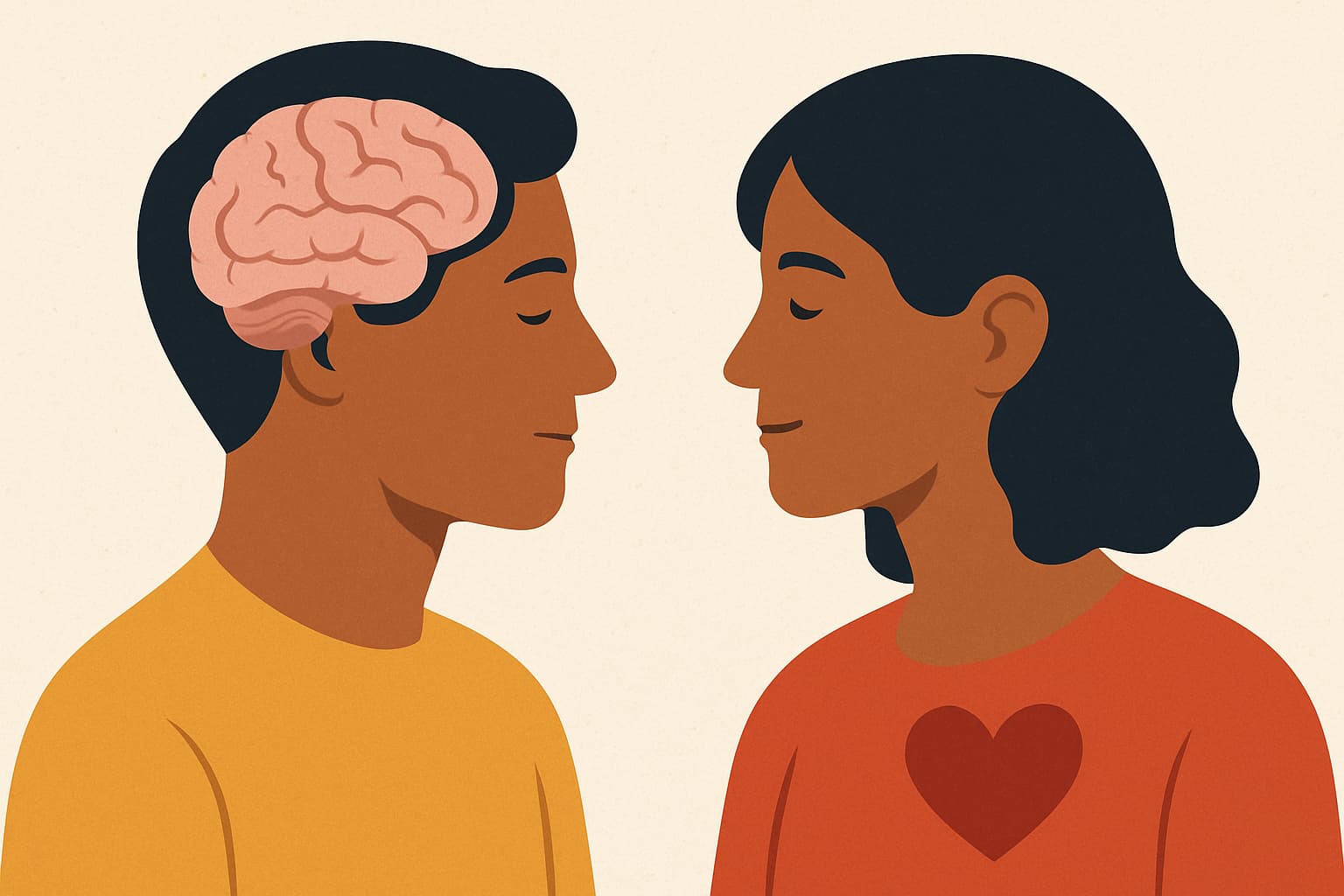
Human connection is at the heart of personal fulfilment, professional success, and emotional wellbeing — yet many people struggle to understand their own emotions, let alone express them effectively or respond sensitively to others. Emotional intelligence bridges that gap. It equips us with the skills to recognize, manage, and communicate emotions in ways that strengthen relationships, build empathy, and foster greater inner peace.
Introduction
Emotional intelligence, often shortened to EI or EQ, refers to the ability to understand your emotional experience and use that awareness to guide thoughts, behaviors, and communication. It is not about suppressing feelings or maintaining artificial calm. Instead, it involves recognizing how emotions influence decisions, reactions, and relationships — and using that understanding constructively.
While intelligence and technical skills play an important role in life, emotional intelligence increasingly defines how effectively you navigate conversations, handle conflict, build trust, and respond to life’s challenges. In professional environments, EI contributes to leadership excellence, collaboration, and resilience. In personal life, it deepens relationships, strengthens self-worth, and supports mental wellness. Like any skill, emotional intelligence can be developed with practice, patience, and self-reflection.
What Is Emotional Intelligence?
Emotional intelligence is widely recognized as the ability to identify, interpret, and manage emotions — both in yourself and others. It involves emotional regulation, empathy, active communication, and self-awareness. A person with high EQ does not eliminate difficult emotions; instead, they experience them consciously and respond thoughtfully rather than impulsively.
The Four Core Components of Emotional Intelligence
| Component | Description | Impact on Relationships |
|---|---|---|
| Self-Awareness | Understanding your own emotional patterns, triggers, strengths, and blind spots. | Encourages authentic communication and personal growth. |
| Self-Management | Ability to regulate emotional reactions constructively and responsibly. | Prevents emotional reactivity and promotes calm decision-making. |
| Social Awareness (Empathy) | Recognizing and understanding emotions in others. | Builds trust, compassion, and a deeper connection. |
| Relationship Management | Using emotional intelligence in communication, conflict resolution, teamwork, and boundaries. | Strengthens both personal and professional relationships. |
These components work together to create healthier emotional expression and more meaningful interpersonal dynamics.
1: Understanding Yourself — The Foundation of EQ
1.1 The Role of Emotional Self-Awareness
Self-awareness is the ability to recognize your emotions as they arise and understand how they influence your thinking and behavior. Without emotional awareness, reactions may feel automatic or uncontrollable. With awareness, deliberate action becomes possible.
Signs of strong self-awareness include:
- Understanding emotional triggers
- Recognizing patterns in behavior
- Knowing personal values and boundaries
- Being honest about strengths and vulnerabilities
Developing self-awareness often begins with reflection — journaling, honest conversations, or mindfulness practices.
1.2 Emotional Triggers and Internal Patterns
Everyone has emotional triggers shaped by past experiences, unmet needs, personal fears, and beliefs. Common triggers include rejection, criticism, uncertainty, or feeling ignored. Identifying triggers is not about blame; it is about gaining insight.
A helpful exercise:
- Pause: Notice physical sensations and thoughts when a strong emotion arises.
- Identify: Ask, “What emotion is this, and why?”
- Reflect: Consider whether the reaction belongs to the present moment or past conditioning.
This process transforms automatic reaction into informed choice.
1.3 Mindfulness and Emotional Clarity
Mindfulness helps strengthen emotional awareness by keeping attention in the present moment without judgment. When practiced consistently, mindfulness:
- Reduces emotional impulsivity
- Increases patience
- Supports calm processing of complex feelings
- Encourages acceptance rather than suppression
Over time, emotional patterns become easier to understand and manage.
2: Managing Emotions — Respond, Don’t React
2.1 Emotional Regulation and Healthy Expression
Emotional regulation is not avoidance. It is the skill of responding thoughtfully instead of reacting impulsively. This involves slowing down enough to evaluate the situation and decide on a constructive response.
Helpful regulation techniques include:
- Deep breathing
- Taking a timeout
- Replacing assumptions with facts
- Practising emotional language such as “I feel…” rather than blaming others
With practice, emotional management strengthens communication and improves wellbeing.
2.2 The Balance Between Vulnerability and Boundaries
Emotional intelligence acknowledges that vulnerability is a strength. Sharing feelings honestly promotes intimacy, cooperation, and compassion — but emotional openness requires boundaries.
Healthy boundaries protect:
- Mental wellbeing
- Personal identity
- Emotional safety
Boundaries may include saying no, limiting contact with draining relationships, or expressing discomfort respectfully. Boundaries paired with vulnerability foster authentic, safe connections.
2.3 Reframing Negative Thought Patterns
Negative emotions are often intensified by automatic, unhelpful thoughts — such as catastrophizing, personalising, or assuming the worst. Reframing helps shift these mental habits.
Example:
- Thought: “They ignored me. They must dislike me.”
- Reframe: “There may be other explanations. I will clarify instead of assuming.”
Reframing strengthens emotional balance and reduces needless distress.
3: Understanding Others — The Power of Empathy
3.1 Defining Empathy
Empathy is the ability to understand another person’s feelings, even if you would respond differently in their situation. It goes beyond sympathy, which is feeling concern; empathy is a connection through understanding.
True empathy requires:
- Listening without interruption
- Avoiding judgement
- Seeing situations from the other person’s emotional perspective
Empathy creates belonging, trust, and safety.
3.2 Active Listening as an Emotional Skill
Active listening means listening to understand — not to respond. It is one of the most impactful skills in emotionally intelligent communication.
Key behaviours include:
- Maintaining eye contact
- Reflecting back what has been said
- Asking clarifying questions
- Avoiding distractions and assumptions
People feel valued when they feel heard.
3.3 Compassion and Emotional Support
Empathy can be strengthened through compassion — the desire to support others in their emotional experience. Compassion encourages patience, kindness, and non-judgement, even during conflict or misunderstanding.
Examples of compassionate statements:
- “I can see this is meaningful to you.”
- “Thank you for sharing something so personal.”
- “How can I support you?”
This approach deepens emotional connection.
4: Building Stronger Relationships With Emotional Intelligence
4.1 Communication That Connects Instead of Divides
Emotionally intelligent communication is assertive, respectful, and clear. It expresses feelings without aggression, sarcasm, or passive behavior. Assertive communication balances honesty and kindness.
A helpful formula:
“When __ happens, I feel __ because __. What I need is __.”
This supports understanding, emotional clarity, and problem-solving.
4.2 Conflict as Opportunity
Conflict is natural in relationships. Emotionally intelligent individuals view conflict as an opportunity for understanding rather than something to avoid. With emotional maturity, disagreements become pathways to stronger connection.
Effective conflict resolution uses:
- Calm tone
- Curiosity instead of defensiveness
- Shared goals
- Willingness to compromise
Conflict handled well strengthens trust.
4.3 The Role of Trust, Respect, and Consistency
Strong relationships grow from consistent emotional behavior. Trust is built through transparency, reliability, and empathy. Respect is strengthened through active listening, boundaries, and mindful communication. When emotions and actions align, relationships become healthier and more resilient.
5: Growing Emotional Intelligence Over Time
5.1 Self-Reflection and Continuous Learning
Emotional intelligence is not a fixed trait; it grows through experience and willingness to reflect. Journaling, therapy, feedback from others, and mindfulness practices are excellent tools for building emotional awareness.
5.2 Emotional Intelligence in the Workplace
In professional environments, EI supports leadership, team cohesion, stress management, and communication. It helps navigate diverse personalities, workplace pressures, and organisational change.
Signs of high workplace EI include:
- Thoughtful communication
- Collaborative problem-solving
- Adaptability
- Confidence without arrogance
Teams built on emotional intelligence are more productive, creative, and connected.
5.3 Emotional Intelligence in Personal Life
Emotionally intelligent individuals build stronger friendships, healthier romantic relationships, and improved family communication. They engage with emotions consciously rather than reacting from frustration, fear, or insecurity.
Frequently Asked Questions
1. Can emotional intelligence really be developed, or is it innate?
Emotional intelligence can certainly be developed. While some people naturally recognize and express emotions with ease, many build these skills intentionally. Practices such as journalling, reflective communication, empathy exercises, and active listening significantly strengthen EQ. Growth takes time and consistency, but like language or fitness, progress becomes evident with training. With willingness and practice, emotional intelligence can improve throughout life.
2. How does emotional intelligence benefit mental health?
Emotional intelligence supports mental wellbeing by helping individuals understand and respond to emotions effectively rather than being overwhelmed by them. It encourages healthier coping strategies, self-awareness, and improved communication during distress. By recognising emotional patterns early, individuals can prevent escalation into anxiety, emotional burnout, or interpersonal conflict. The result is increased emotional balance, confidence, and resilience.
3. Is emotional intelligence more important than IQ?
Both types of intelligence play important roles, but emotional intelligence is now recognized as equally — and sometimes more — influential in long-term success. IQ supports technical problem-solving, academic performance, and logical reasoning, while EQ shapes communication, empathy, adaptability, and relationship building. Many successful leaders and professionals rely heavily on emotional intelligence, demonstrating that human connection is essential for personal and professional growth.
4. How can emotional intelligence help during conflict?
Emotional intelligence supports conflict resolution by helping people pause, identify emotions, and communicate needs calmly rather than reacting defensively. With empathy, active listening, and emotional regulation, disagreements become opportunities for clarity, understanding, and compromise. Rather than escalating tension, emotionally intelligent conflict resolution strengthens trust and connection, allowing both sides to feel acknowledged and respected.
5. Can emotional intelligence improve relationships with family members?
Yes, emotional intelligence enhances family relationships by fostering empathy, understanding, and healthier communication habits. It encourages patience during disagreements and helps break reactive behavior patterns that often arise in family dynamics. By listening actively, setting boundaries, and expressing emotions clearly, individuals build trust and strengthen connections. Over time, emotional intelligence creates a more supportive, respectful family environment.
Conclusion
Emotional intelligence is a lifelong skill that shapes how you relate to yourself and the world around you. By developing self-awareness, emotional regulation, empathy, and mindful communication, your relationships become more meaningful, compassionate, and resilient. The ability to manage emotions thoughtfully strengthens well-being and supports healthier decision-making in both personal and professional settings.
As you continue to practice emotional intelligence, you will discover that relationships deepen, self-esteem improves, and life feels more grounded and purposeful. Emotional intelligence is not about perfection — it is about progress, curiosity, and connection. With patience and practice, it becomes one of the most powerful tools for building a fulfilling and emotionally healthy life.