
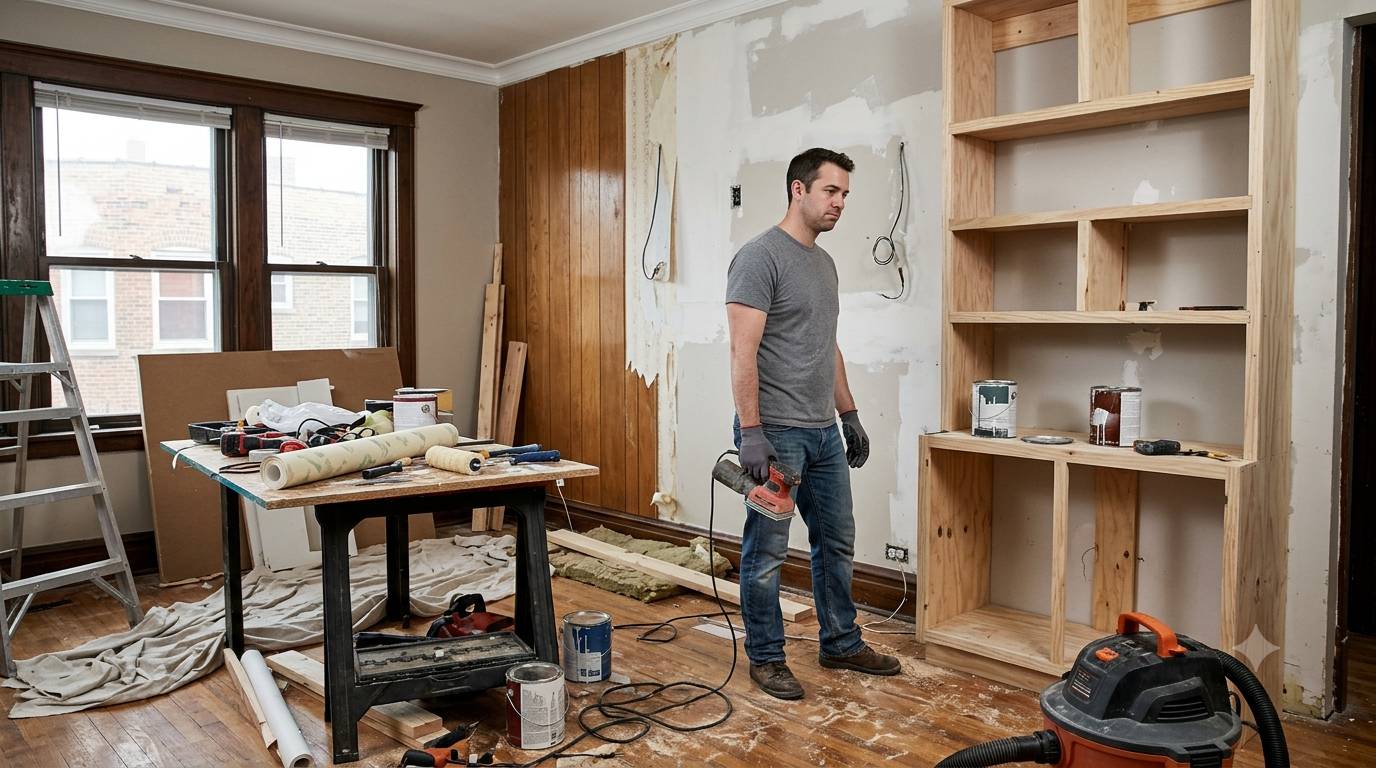
8 Home Projects in Chicago That Won’t Increase Home Value at Sale and What Is Really Worth Doing
The moment you plan to sell your home in Chicago, it is natural to start thinking about what should be improved before opening the door to buyers. It seems reasonable: put the house in order and sell it at a higher price. In reality, everything is not that simple. Most projects barely recover their costs, and some can even interfere with the sale. Some changes make the home more convenient for you, but not for the next owner. Others can easily scare buyers away if the style is too individual or the renovation was not done according to the standards that are customary in the area.
In Chicago, this is especially noticeable because housing differs from street to street. What looks great in a recently built suburban cottage may seem inappropriate or make it harder to sell an older apartment within the city or a two-flat building. Before spending thousands on another upgrade, really think: are you solving an important problem for buyers, or are you simply fulfilling your personal wishes?
Essentially, to make a home appealing to a buyer, you do not need a major renovation. Usually, small repairs and regular maintenance are enough to make the home look significantly better while being significantly cheaper.
1. Overly Personal Interior Renovation
One of the most common ways to waste money is to completely renovate a home according to your own preferences before selling it. For example, someone installs a unique custom kitchen with unusual cabinets, creative countertops, and brightly colored appliances. Or turns the bathroom into a luxurious home spa. Yes, it may be beautiful for you. But that does not mean the new buyer is willing to pay for your design tastes.
Buyers pay attention to the functional possibilities and condition of the home instead of focusing on the specifics of the chosen tiles. If the renovation is not to their taste, they immediately mentally estimate how much it will cost to redo it and reduce the price accordingly. This is not a reason to completely forget about the kitchen and bathroom. On the contrary, these rooms are important when evaluating a home. The main thing is not to confuse ordinary renovation with a visually overwhelming design project.
For everyone selling a home in Chicago, the most rational method is a simple and neat update. Fix squeaky cabinets, replace an old handle, repair a faucet or a light fixture. Restore wall surfaces in places with scratches and signs of use; this immediately creates a feeling of neatness and care without unnecessary expenses that will not pay off.
This principle applies throughout the entire house. Remove cracks from the walls, fix the baseboards, make sure the doors close properly, and patch worn laminate. The buyer will remember that the home is well maintained, not what kind of curtains were in the kitchen.
A simple piece of advice: before starting a major renovation, look at your home from the buyer’s point of view. Are you solving a real problem or simply changing something for yourself? If you want to sell more profitably, focus on practical improvements rather than expensive individual solutions. If you have a substantial list of small jobs, hire a specialist for an hour instead of starting another major renovation. This will be both faster and more cost-effective.
For a large list of household repair tasks, homeowners can also explore local repair resources, such as https://fixprosolution.com, and determine which improvements are actually necessary before deciding on a larger renovation.
2. Installing a Swimming Pool
Installing a swimming pool is what many people immediately imagine when they think about comfort. In hot weather, it is certainly a valuable addition. However, if you still want to sell your property in Chicago at a higher price, a swimming pool rarely helps you recover the money you invested.
The issue is not that people do not like swimming. The point is that a swimming pool comes with a lot of hassle. New owners will have to think about cleaning, maintenance, repairs, and purchasing equipment… On top of that, it takes up quite a lot of space.
Chicago is not Miami. Summer here is not as long, and the swimming season ends quickly. For a significant number of buyers, a swimming pool may seem more like a problem than an attractive feature they would be willing to pay significantly more for.
If the backyard does not currently look very appealing, there are more cost-effective ways to invest your money. Repair the fence, patch up the deck, restore the steps, take care of the drainage system, or simply clean up the yard. This immediately creates a more pleasant first impression.
These small projects are easier to appreciate at a glance. A comfortable backyard does not come with the fear of additional expenses and does not require new residents to immediately start figuring out complicated maintenance.
3. Installing Expensive Flooring Throughout the House
Updating old flooring is certainly an opportunity to make a home better. The problem begins when the homeowner spends money on excessively expensive materials and decides to replace everything at once.
Yes, high-end hardwood flooring looks excellent, but most buyers will not be able to recognize the difference between a premium option and an ordinary high-quality floor to the extent that would allow you to recover those expenses when selling. A fresh and attractive floor does its job, but an expensive and unique option does not always pay off.
It is especially pointless to replace the floors everywhere if the problems are only in the living room or hallway. Sometimes it is enough to update a few noticeable areas: repair or replace old boards, remove scratches or stains, and secure squeaky sections.
If it really is time to replace the entire floor, choose a practical, neutral material. There is no guarantee that the most expensive options will add anything to the home’s selling price.
Before selling, the goal is simple: make the home look clean and well maintained, not ultra-luxurious.
For those searching for “handyman near Chicago IL,” these tasks are often included among common minor repairs. Fixing several noticeable issues at once can have a greater effect than putting the entire budget into one premium material.
4. Turning a Bedroom Into a Specialized Room
There is another project that often fails to generate a profit: converting a bedroom into something highly specialized.
Suppose you transform an unused room into a home gym, workshop, or recording studio. It may work for you, but that does not necessarily mean it will appeal to most buyers. People looking for an additional bedroom may not want to return the room to its original condition, even if it may seem that there is not much work involved.
This does not mean the room has to remain empty. On the contrary, when selling, it is better to create something neutral: an office with movable furniture that can easily be converted back into a bedroom.
This principle applies to every room. It is worth considering whether your renovation will limit the pool of potential buyers, because there simply are not that many people with the same interests.
In Chicago, “flexibility” is often much more important than individual design. A room that can be used as a bedroom, office, nursery, or guest room is always a plus. It does not scare buyers away with the prospect of a major renovation.
In many cases, the skilled hand of a professional — repairing doors, walls, shelves, lighting, and trim — can give a room a complete and neat appearance while preserving its main function. Modest but noticeable improvements can be much more worthwhile compared with a complex conversion designed for a single purpose.
5. Installing Highly Personalized Smart-Home Systems
Smart-home technology can make everyday life more convenient, but installing an expensive, highly customized system shortly before selling may not be a wise investment.
A homeowner may spend thousands of dollars on automated lighting, motorized shades, security devices, smart locks, integrated speakers, and a central control system. While these features can be impressive, not every buyer will value them enough to pay extra for the installation.
Technology also becomes outdated. A system that seems advanced today may require replacement or upgrades several years later. If a buyer prefers a different ecosystem or does not want complicated automation, the investment may have little influence on the final selling price.
Instead of installing an expensive system throughout the house, focus on simple improvements that are easy for almost anyone to use. Replace outdated light fixtures, repair faulty switches, improve basic exterior lighting, or make sure existing security equipment works properly.
The objective is not to turn the property into a futuristic home. It is to make everyday features reliable, functional, and easy to understand.
6. Building an Oversized Entertainment Area
A large entertainment space can be appealing to the homeowner who enjoys hosting parties, watching movies, or spending weekends with friends. But creating a specialized entertainment area just before selling may not produce the return you expect.
Installing a dedicated home theater, elaborate bar, built-in seating, or expensive audio equipment can quickly become a major expense. The next owner may not use the room in the same way and could prefer to have the space available for another purpose.
This is another situation where flexibility matters more than personalization.
Rather than building a permanent entertainment setup, make the existing space clean, functional, and easy to adapt. Repair damaged walls, improve lighting, fix doors and trim, and remove unnecessary built-in elements that make the room difficult to use differently.
A buyer should be able to walk into the room and immediately see several possible uses. That flexibility can be more valuable than a highly specialized feature.
7. Replacing Good Windows or Doors Simply for Appearance
New windows and exterior doors can improve a home’s efficiency, security, and appearance. However, replacing perfectly functional units simply because they do not match the latest design trend may be difficult to justify before a sale.
The situation is different when windows are damaged, drafty, difficult to operate, or showing obvious signs of failure. In that case, addressing the problem can be a meaningful improvement.
But if the existing windows work properly, there may be little reason to replace them solely for cosmetic purposes. The same applies to doors that are structurally sound but simply look dated.
Before replacing them, inspect their actual condition. Repair damaged hardware, improve seals, repaint surfaces, replace worn weatherstripping, and fix problems that buyers can immediately notice.
These relatively small improvements can make an older feature look cared for without requiring the expense of a complete replacement.
For homeowners searching for handyman home repair near me, this is often the kind of work worth discussing with a professional before committing to a much larger project. A repair may solve the visible problem without replacing an otherwise functional component.
8. Overbuilding Outdoor Features
Outdoor improvements can make a Chicago property much more attractive, but there is a point where additional construction stops making financial sense.
A homeowner may decide to build an oversized patio, install an elaborate outdoor kitchen, add extensive decorative structures, or completely redesign the backyard shortly before selling. These projects can be enjoyable, but their cost can easily exceed the value they add to the property.
Outdoor space is usually more appealing when it is clean, functional, and easy to maintain. Buyers may appreciate a simple deck in good condition more than an expensive outdoor area filled with features they may never use.
Before investing in a major backyard project, look at what is already there. Repair damaged decking, replace broken boards, fix railings, improve drainage, clean the area, and remove features that have become worn or neglected.
The goal is to make the outdoor space feel ready to use rather than trying to create a luxury resort in the backyard.
What Should Chicago Homeowners Do Instead?
The common thread behind all eight projects is simple: resale value is not determined by how much money you spend.
Before starting any improvement, consider whether the project solves a visible problem, improves functionality, or simply reflects your personal preferences. The first two are usually easier for buyers to appreciate.
Walk through the property and make a list of everything that looks unfinished or neglected. A damaged door, loose railing, cracked drywall, worn trim, broken fixture, damaged flooring, or poorly maintained outdoor area may not seem important individually. Together, however, they can create the impression that the home needs more work than it actually does.
This is where a practical repair strategy can make a difference. Instead of spending the entire budget on one dramatic renovation, consider addressing several smaller issues throughout the property.
If you are comparing local options and searching for a master handyman Chicago homeowners can rely on for a range of smaller projects, focus on someone who can assess the entire list rather than simply recommending the most expensive solution.
Final Thoughts
Preparing a Chicago home for sale does not have to mean rebuilding it from the ground up. In many cases, the smartest investment is simply making sure that everything already there works properly and looks cared for.
A neutral interior, functional doors and windows, clean flooring, maintained outdoor areas, and a long list of small repairs completed properly can make a stronger impression than an expensive renovation designed around one person’s preferences.
Before spending thousands of dollars, ask one final question: Would a typical buyer see this as an improvement worth paying more for, or would they simply see it as something they might have to change later?
That distinction can help Chicago homeowners spend their money where it is most likely to matter — on improvements that make the property easier to appreciate, easier to maintain, and easier to sell.