
Using bilingual arts to get families involved and help people stay culturally strong.
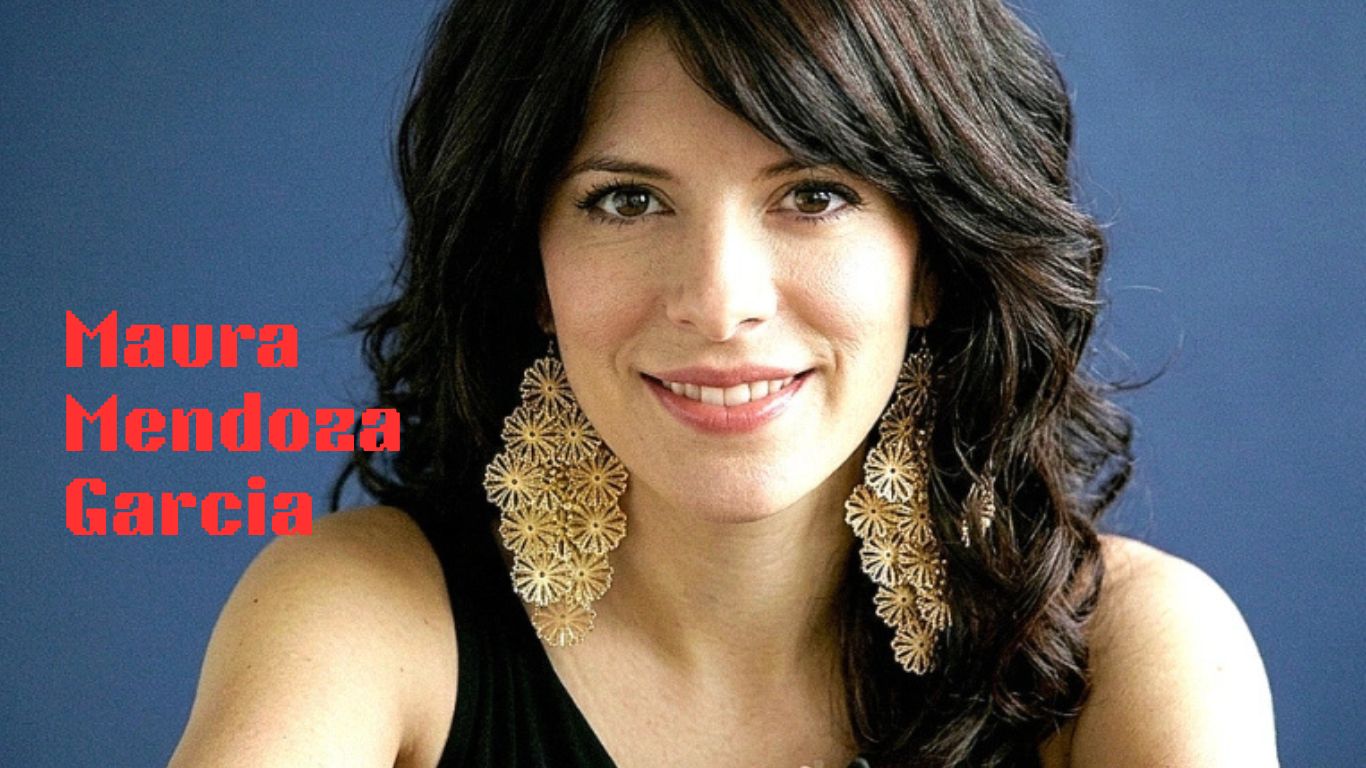
Maura Mendoza Garcia is a singer-songwriter and teacher from El Salvador who now lives in Massachusetts. She has worked as a music and bilingual teacher for more than 20 years and supports immigrant families getting involved in the arts and the community.
Early Life and Background
It was a time of social and political unrest in El Salvador when Maura Mendoza was born and raised there. As a child growing up during the 1980s civil war, her early life was marked by strength, ethnic diversity, and a strong connection to art.
She has been in school plays and theater productions since she was a child, and she often appears in plays and culture events. Her love of the performing arts went beyond her home country. When she was young, she participated in artistic events in Panama.
These early events shaped her lifelong desire to tell stories through music and performance, especially as a way to connect with others and share her culture.
How old is Maura Mendoza Garcia?
Since Maura Mendoza Garcia’s exact birthday has not been made public, no one can say for sure how old she is. But because she grew up in El Salvador in the 1980s, went to Cuba and Mexico to study art more deeply, and has worked as an artist for more than 20 years in the United States, she is likely to be in her late 40s or early 50s by 2026.
Education and training in the arts
Mendoza’s path through school shows how much he loves the performing arts. After finishing elementary school in El Salvador, she went to another country to get official training in music and theater.
She learned theater in Havana, Cuba, which is known for having strong musical and cultural traditions. Later, she got better at what she did at a musical theater school in Mexico City, where she worked on her vocals, stage appearance, and developing her art in different areas.
This international schooling not only improved her art skills, but it also made her more open to other cultures and languages. Later, it became an important part of her work, especially the way she taught bilingualism and worked with the community in the US.
Moving to the United States and Getting Better Jobs
Mendoza moved to the United States in the mid-2000s after finishing her studies. She finally settled in Somerville, Massachusetts. This move was a turning point in her career because it was when she started to combine her art skills with work in schools and communities.
Over time, she got very active with cultural groups and schools in the area. Her work went beyond performances and became a mission-driven practice centered on working with families, helping immigrants, and teaching in more than one language.
She became involved with public schools and cultural centers, helping to run programs that give families, especially immigrant families, access to music and the arts as a way to learn.
A career in music and the use of multiple languages in art
Mendoza has been making music for more than 20 years, and his music is known for being open to all cultures. Folk music from Latin America, jazz, pop, rock, and children’s music are all mixed together in her songs.
Her ability to write music in more than one language is one of the things that makes her art stand out. She sings songs in Hindi, English, Spanish, Portuguese, French, Italian, German, and even Hindi, because she thinks music is a language that can be understood by everyone.
Her shows are often participatory and fun for the whole family. At her community concerts, she often works with kids, adults, and even older people, making musical experiences for everyone. Not only are these events meant to be fun, but they are also meant to preserve culture and bring people together.
Her shows have been part of community festivals, library events, and school-based activities sponsored by local arts groups, such as those backed by the Cambridge Arts Council. In all of her work, she stresses participation, inclusion, and telling culture stories.
Part in education and getting involved in the community
In addition to her work in music, Mendoza is very involved in schooling. She works for the Somerville Public Schools as a coordinator for multilingual programs and a parent liaison.
In this role, she helps schools and refugee families who speak languages other than English talk to each other. Her work makes sure that parents stay involved in their kids’ schooling, even if they don’t speak the same language.
She is also involved with Latinos for Education, which gave her an award for her leadership in promoting fairness and new ideas in education.
As part of her outreach work, she often brings music and art classes into schools. Parents and kids are encouraged to attend these sessions together, which builds relationships between families and schools and promotes national pride.
Researchers and teachers have noticed that her method gets parents more involved and makes it easier for schools and immigrant groups to talk to each other.
Publications and contributions to academia
Apart from that, Mendoza has also added to academic conversations about art and schooling. She co-wrote a chapter in 2017 called “Multilingual Family Engagement Through the Arts.” The chapter was about how artistic expression can be used to get families more involved in schools.
This article showed how music, visual arts, and storytelling can help immigrant families get used to their new school settings. It also talked about her real-life experience working in school systems.
People who talk about culturally responsive education and arts-based learning methods often bring up her work. It’s part of a larger movement in education that sees national identity and emotional connection as important parts of doing well in school.
Recognition and Building Leadership
Mendoza was chosen as a Massachusetts Aspiring Latino Leaders Fellow in 2023. This is an honor given to Latino educators who have shown great leadership and made a difference in their communities.
This award recognizes her work in education, promoting multiculturalism, and giving people in her community more power. It also shows how important she is becoming as a star in new ideas in education, especially when it comes to combining arts and language learning.
Her fame comes from both her artistic accomplishments and her long-term dedication to making public school systems more accessible and fair.
Legacy and Effects on Culture
The work of Maura Mendoza is an important mix of art, education, and culture advocacy. She has made places for immigrant families to feel seen, heard, and included in their communities through her shows and educational projects.
Because she can use music in multiple languages and work with kids, she is one of a kind in Massachusetts’s community arts programs. She has helped make school-family ties stronger and learning environments more welcoming by using performance as a way to connect people of different cultures and generations.
Her work in both music and education is based on the same idea: that ethnic identity and artistic expression are important ways to connect and empower people.
In conclusion
It’s clear from Maura Mendoza Garcia’s life that art and education can change communities for the better. From her early years in El Salvador to her important work in Massachusetts schools, she has spent her whole career promoting ethnic pride, acceptance, and speaking more than one language.
Her journey shows how teachers and artists who use their skills not only for performing but also for community building and social connection can have a lasting effect.