Your heating and cooling system is one of the hardest-working parts of your home. It keeps your family comfortable through freezing winters, hot summers, and everything in between. Like any major appliance, however, it won’t last forever. Over time, wear and tear can reduce efficiency, increase energy costs, and lead to more frequent breakdowns.
One of the biggest questions homeowners face is whether it’s better to repair an aging system or replace it entirely. If you’ve been experiencing recurring issues, it may be worth consulting professionals who provide HVAC services Glenwood, GA at to evaluate your system and recommend the most cost-effective solution. Understanding the key signs can help you make a confident decision before a small problem turns into a major expense.
Consider the Age of Your System
The age of your HVAC system is often the first factor to consider. Most heating and cooling systems have an average lifespan of 10 to 15 years, although some well-maintained units may continue operating efficiently for longer.
As systems age, components naturally wear down, making repairs more frequent and reducing overall performance. If your equipment is approaching the end of its expected lifespan, replacing it may provide better long-term value than continuing to invest in repairs.
On the other hand, if your system is relatively new and the issue is isolated to a single component, a professional repair is often the smarter financial choice.
Frequent Repairs Can Add Up
An occasional repair is normal throughout the life of an HVAC system. However, repeated service calls can quickly become expensive.
If you’re calling a technician every few months for different issues, it’s worth calculating how much you’ve spent over the past couple of years. Multiple repairs may indicate that the system is nearing the end of its useful life rather than experiencing isolated problems.
A replacement may require a larger upfront investment, but it can eliminate recurring repair costs and provide greater reliability for years to come.
Rising Energy Bills
Have your utility bills steadily increased even though your energy usage hasn’t changed?
An aging or inefficient HVAC system often consumes more electricity or fuel to maintain the same indoor temperature. Worn components, reduced airflow, and declining efficiency force the system to work harder than necessary.
Modern HVAC systems are designed with significantly higher energy efficiency standards than many older models. Replacing an outdated unit can lower monthly utility bills while improving overall comfort throughout the home.
Uneven Temperatures Throughout the House
If some rooms feel too warm while others remain cold, your HVAC system may no longer be distributing air effectively.
Uneven temperatures can result from several issues, including:
- Aging equipment
- Failing components
- Poor airflow
- Improper system sizing
- Ductwork problems
While some of these issues can be repaired, widespread performance problems in an older system may point toward replacement as the more practical solution.
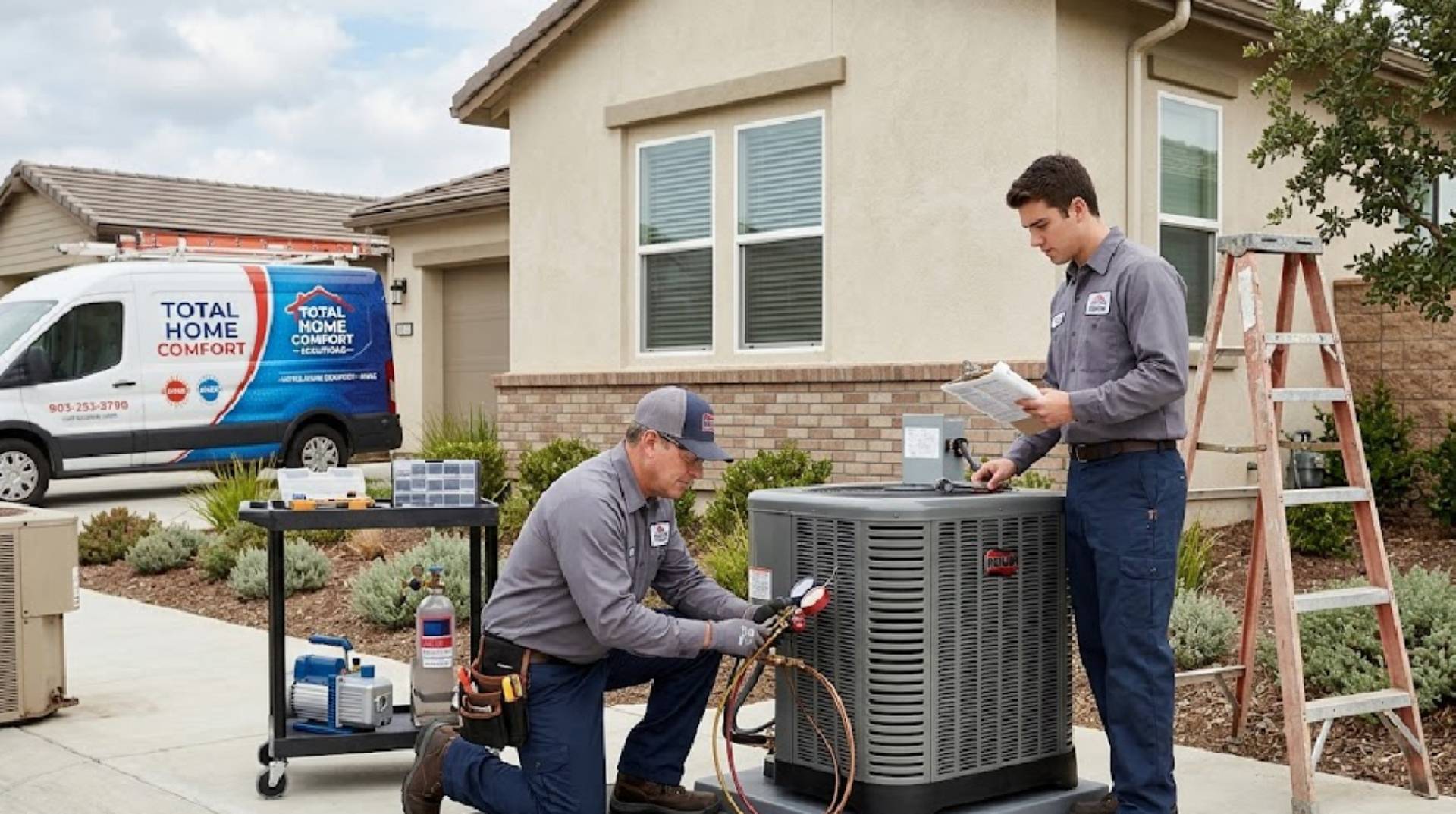
A professional inspection can determine whether the problem lies with the equipment itself or another part of your home’s heating and cooling system.
Strange Noises or Unusual Odors
Heating and cooling systems generally become familiar background noise. When they suddenly begin making loud or unusual sounds, it’s usually a sign that something needs attention.
Watch for noises such as:
- Grinding
- Banging
- Squealing
- Rattling
- Buzzing
Similarly, unusual odors may indicate electrical problems, mold growth, or damaged components.
Ignoring these warning signs can lead to larger and more expensive repairs. Prompt professional evaluation can help determine whether a repair will solve the issue or if replacement is the safer option.
Your Home Never Feels Comfortable
If your HVAC system seems to run constantly without maintaining a comfortable indoor temperature, efficiency may have declined significantly.
An overworked system often struggles to:
- Reach the thermostat setting
- Remove excess humidity
- Maintain consistent airflow
- Keep up during extreme weather
When comfort declines despite regular maintenance and repairs, replacing the equipment may provide a noticeable improvement in both performance and energy efficiency.
Consider the Cost of Repairs
A common guideline many homeowners use is the “50 percent rule.” If the repair cost approaches or exceeds half the value of a replacement system, investing in new equipment often makes better financial sense.
This isn’t a strict rule, but it provides a useful starting point when evaluating your options.
Other factors to weigh include:
- The age of the system
- Expected future repair costs
- Energy savings from a newer model
- Warranty coverage
- Overall reliability
Looking at the total cost of ownership—not just today’s repair bill—can help you make a smarter long-term decision.
Benefits of Replacing Your HVAC System
While replacing an HVAC system requires a larger investment, it also offers several advantages beyond simply restoring heating and cooling.
Newer systems often provide:
- Better energy efficiency
- Lower monthly utility bills
- Quieter operation
- More consistent indoor temperatures
- Improved humidity control
- Enhanced indoor air quality
- Smart thermostat compatibility
- Manufacturer warranty protection
For many homeowners, these improvements create a more comfortable living environment while reducing ongoing maintenance expenses.
Regular Maintenance Helps You Delay Replacement
Whether your system is new or approaching the end of its lifespan, routine maintenance remains one of the best ways to maximize performance.
Professional inspections help identify minor issues before they become costly repairs, improve operating efficiency, and extend equipment life. Simple tasks such as replacing air filters, cleaning outdoor units, and scheduling annual tune-ups can make a noticeable difference.
Even if replacement eventually becomes necessary, proper maintenance helps ensure you get the maximum value from your current investment.
Final Thoughts
Deciding whether to repair or replace your heating and cooling system depends on several factors, including its age, repair history, energy efficiency, and overall performance. While repairs make sense for newer systems with isolated issues, older equipment that requires frequent service or struggles to keep your home comfortable may be ready for replacement.
By evaluating the long-term costs and benefits rather than focusing only on immediate expenses, homeowners can make informed decisions that improve comfort, reduce energy consumption, and provide greater peace of mind for years to come.