
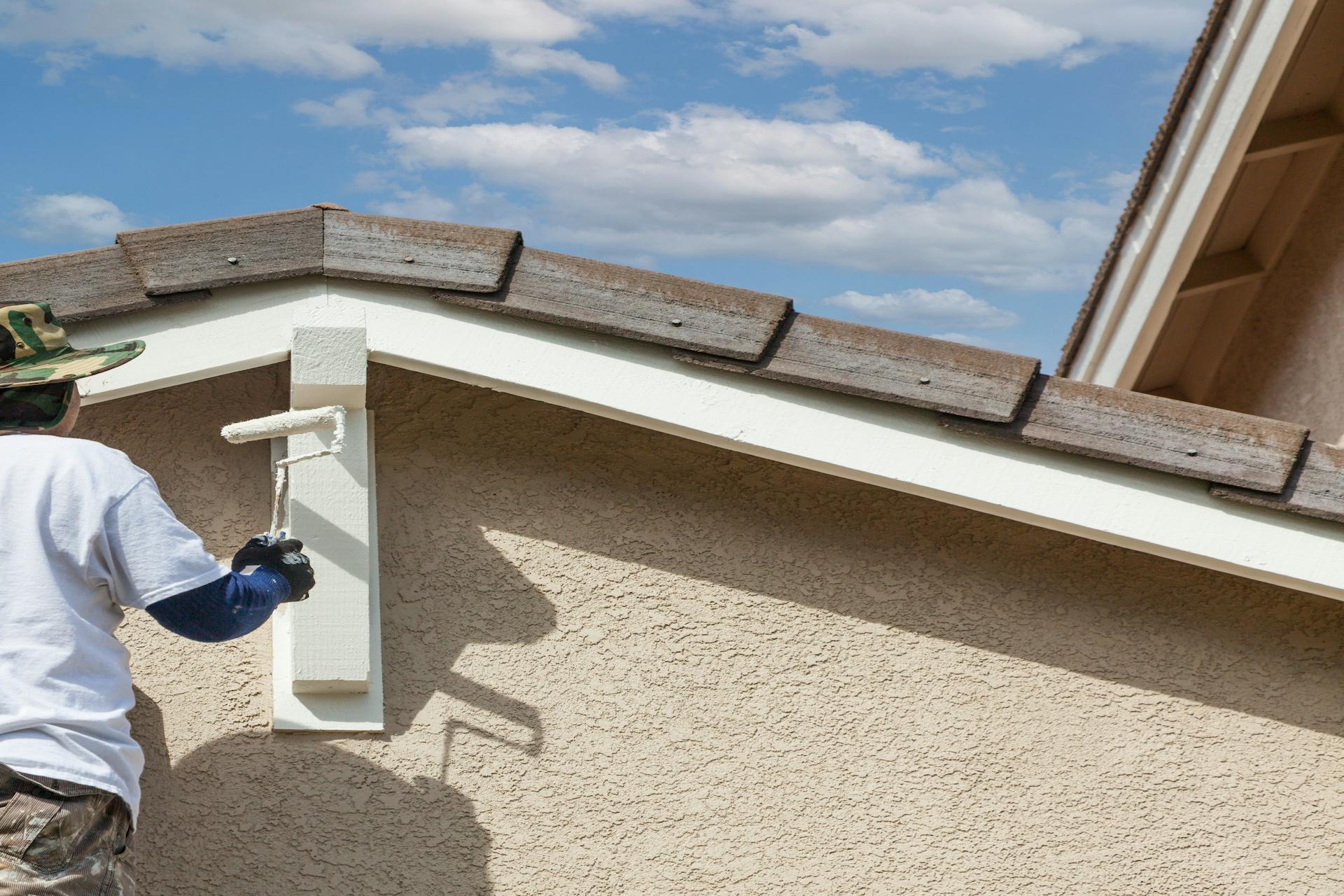
A fresh exterior paint job can completely transform a home. It improves curb appeal, increases perceived property value, and gives a home a cleaner, more polished appearance. At the same time, exterior paint serves an even more important purpose behind the scenes. It protects siding, trim, masonry, and structural surfaces from moisture, UV exposure, temperature changes, and long-term environmental wear.
For many homeowners, however, choosing exterior paint quickly becomes overwhelming. Paint aisles are filled with countless colors, formulas, finishes, and quality levels. What looks beautiful on a sample card may appear completely different once applied to an entire home. Adding questions about weather conditions, surface preparation, primer selection, and application methods can make the process feel far more complicated than expected.
Why Exterior Paint Matters More Than Most Homeowners Realize
Exterior paint does far more than improve visual appearance. It acts as the home’s first line of defense against the elements. Constant sun exposure can fade surfaces and weaken materials over time. Moisture from rain, humidity, and snow can lead to wood rot, mildew growth, cracking, and structural deterioration if surfaces are not properly sealed and protected.
A high-quality paint system helps prevent these issues by creating a protective barrier that shields exterior materials from damage. Properly painted surfaces also tend to resist dirt buildup, moisture intrusion, and premature aging more effectively. This protection becomes especially important in climates with extreme heat, frequent storms, high humidity, or freezing winters.
A well-maintained exterior also influences how others perceive the property. Neighbors, guests, and potential buyers often form opinions within seconds of seeing a home, and exterior paint plays a major role in that first impression.
Understanding the Different Types of Exterior Paint
Not all exterior paints are designed for the same conditions or surfaces. Choosing the correct formulation greatly affects how long the finish lasts and how well it protects the home.
Acrylic Latex Paint
Acrylic latex paint remains the most popular choice for residential exteriors because of its versatility and durability. It adheres well to many surfaces, including wood, fiber cement, vinyl, and previously painted siding. Acrylic formulas also resist cracking and fading while allowing surfaces to expand and contract during temperature changes.
Another advantage is easier cleanup and faster drying times compared to older oil-based paints. Modern acrylic latex paints also tend to maintain color consistency longer under harsh sunlight.
Elastomeric Paint
Elastomeric coatings are thicker and more flexible than standard exterior paints. They are commonly used on stucco, mixed concrete, and masonry surfaces because they can help bridge small cracks while providing strong moisture resistance.
Homes located in rainy or humid regions often benefit from elastomeric coatings because they create a highly protective surface barrier. However, proper preparation and application are essential to achieve the desired performance.
Masonry Paint
Brick and concrete surfaces require specialized coatings that allow moisture vapor to escape while still resisting water penetration. Standard paint can trap moisture within masonry, eventually causing peeling or surface damage.
Masonry-specific paint formulations are designed to handle the unique needs of porous surfaces while maintaining long-term adhesion and durability.
Coordinating Body, Trim, and Accent Colors
Most successful exterior color schemes rely on a balance between the main body color, trim color, and accent details.
The body color covers most of the exterior and usually sets the home’s overall tone. Neutral shades remain especially popular because they offer timeless appeal and broad compatibility with surrounding materials and landscaping.
Trim colors help define windows, rooflines, and architectural details. White trim remains a classic option, but softer creams, darker charcoals, or matching trim colors are increasingly common in modern designs.
Accent colors are typically reserved for front doors, shutters, or decorative features. This is often where homeowners introduce personality and contrast without overwhelming the exterior design.
Surface Preparation Determines Long-Term Results
Even premium paint cannot compensate for poor preparation. In fact, many paint failures occur because surfaces were not properly cleaned, repaired, or primed before painting began.
Exterior surfaces should first be cleaned thoroughly to remove dirt, mildew, chalking, and debris that interfere with adhesion. Loose or peeling paint must be scraped away completely, and rough transitions should be sanded smooth.
Damaged caulking, cracked trim, and rotting wood should also be repaired before painting starts. Applying fresh paint over damaged materials only temporarily hides underlying problems.
Primer is another critical step that many homeowners underestimate. It improves adhesion, creates a more consistent finish, and helps block stains or color bleed-through. Bare wood, repaired areas, and major color changes almost always benefit from proper priming.
Timing Matters When Painting a Home Exterior
Weather conditions have a major impact on exterior paint performance. Extreme heat can cause paint to dry too quickly, reducing adhesion and creating uneven finishes. Cold temperatures can interfere with curing, while humidity and rain may damage fresh paint before it fully sets.
Mild temperatures with dry weather conditions generally produce the best results. In many regions, spring and early autumn offer the ideal combination of stable temperatures and lower humidity levels for exterior painting projects.
Planning around weather forecasts also helps avoid costly delays and finish problems.
DIY Exterior Painting vs Hiring Professionals
Some homeowners choose to paint their exteriors themselves to reduce labor costs and maintain full control over the project timeline. Smaller homes or limited touch-up projects may be manageable for individuals with proper equipment and experience.
However, exterior painting can be physically demanding and time-consuming. Multi-story homes, extensive preparation work, and difficult access areas often increase both safety risks and project complexity.
Professional painters bring experience, efficiency, specialized equipment, and knowledge of proper preparation techniques. They are often able to complete projects faster while delivering more consistent and longer-lasting results.
For many homeowners, hiring professionals becomes especially valuable when dealing with large homes, damaged surfaces, or complex architectural details.
Conclusion
Exterior paint serves both aesthetic and protective purposes, making it one of the most important investments homeowners can make to maintain and improve their property. The right combination of color, finish, preparation, and product quality helps create an exterior that not only looks attractive but also withstands years of environmental exposure.
Choosing exterior paint becomes far less intimidating when homeowners focus on durability, architectural harmony, climate conditions, and proper surface preparation rather than color alone. Thoughtful planning at every stage leads to better performance, lower maintenance costs, and a finished result that continues enhancing the home for many years.
Whether tackling the project independently or hiring experienced professionals, investing in quality materials and careful preparation almost always delivers stronger long-term value and a more impressive final appearance.