
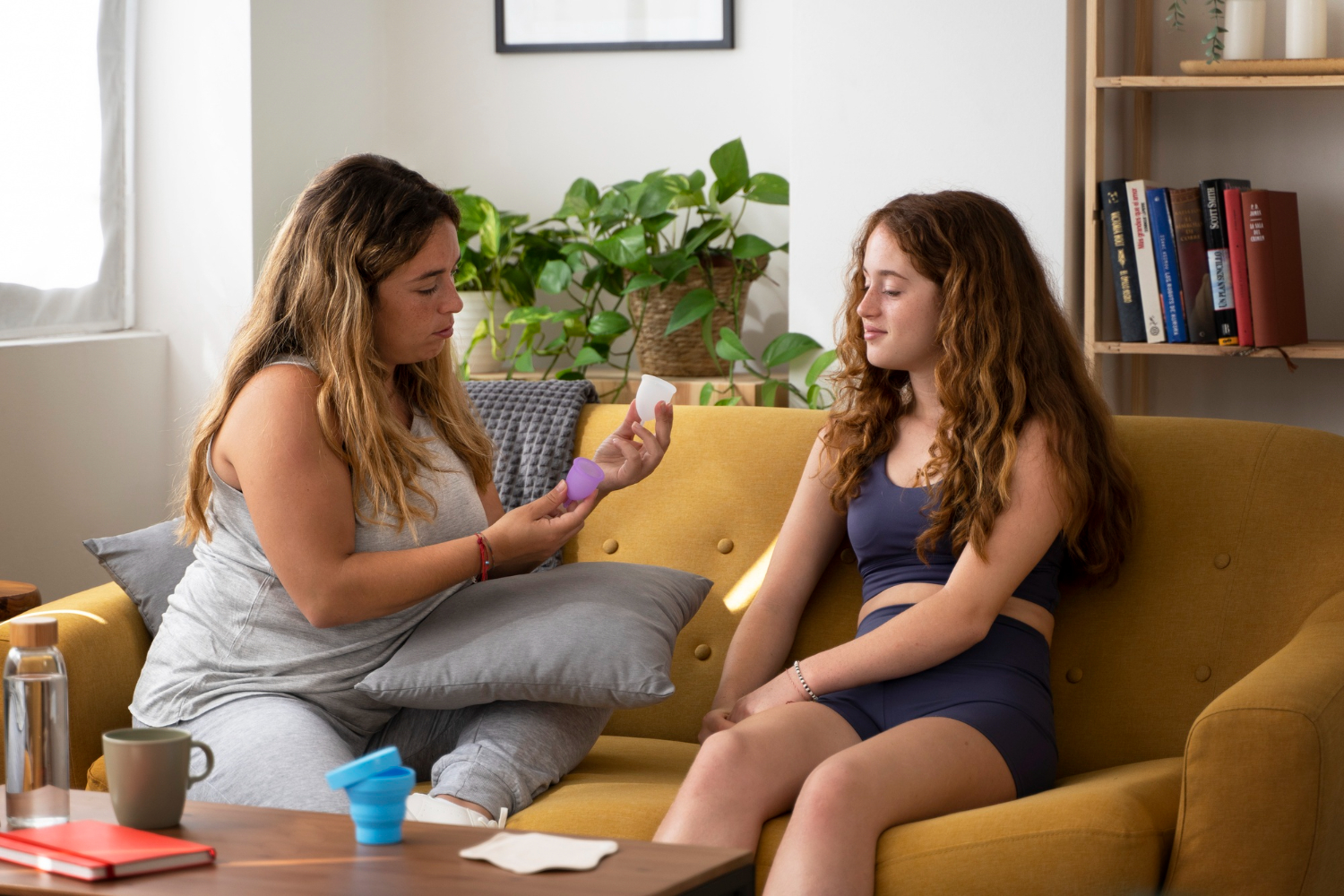
For generations, women have been taught to keep certain things to themselves. From menstrual discomfort to hormonal changes and intimate health concerns, many experiences have remained private topics, often discussed in whispers or avoided altogether. While conversations around women’s wellbeing have become more open over the years, there are still important subjects that many women find difficult to discuss. Intimate health is one of them.
The silence surrounding women’s bodies is not always a personal choice. It is often shaped by years of social expectations, limited education and the belief that certain discomforts are simply part of being a woman. Many grow up without receiving clear information about their bodies, leaving them to understand changes through personal experience rather than proper guidance. This lack of awareness can make even common health concerns feel confusing or embarrassing.
One of the biggest challenges is the way society treats women’s health concerns as uncomfortable subjects. Menstruation, menopause, vaginal dryness and intimate irritation are natural parts of different stages of life, yet many women hesitate to speak about them. These are examples of women health taboos that deserve more attention, understanding and honest discussion. Breaking this silence begins with recognising that women should never feel ashamed of asking questions about their own bodies.
Understanding the Changes Women Experience
A woman’s body goes through several changes throughout her life. Hormonal shifts during puberty, pregnancy, perimenopause and menopause can affect physical comfort, emotional wellbeing and intimate health. However, not every woman is aware of how these changes may influence her body.
For example, declining oestrogen levels during perimenopause and menopause can contribute to vaginal dryness, irritation and discomfort during intimacy. Some women may experience these symptoms for years without realising they could be connected to hormonal changes. Others may feel uncomfortable discussing them with healthcare professionals, partners or even close friends.
Better awareness can make a meaningful difference. When women understand what is happening in their bodies, they are better prepared to recognise changes, ask questions and seek appropriate support. Open conversations can also help remove the feeling that these experiences are unusual or something to hide.
Why Silence Can Become a Barrier
Embarrassment often prevents women from seeking help. A woman experiencing intimate discomfort may assume that discussing it will lead to judgement or awkward questions. As a result, she may ignore the symptoms or try to manage them without understanding the underlying cause.
Education and awareness can help break this silence. A few important steps include:
- Encouraging open conversations: Making it easier for women to discuss intimate health without feeling embarrassed or judged.
- Providing reliable information: Helping women understand hormonal changes, intimate discomfort and different stages of their health.
- Seeking professional guidance: Consulting healthcare professionals when symptoms are persistent, painful or unusual.
- Breaking social stigma: Challenging the belief that discomfort is something women should simply accept.
- Building supportive communities: Creating safe spaces where women can share experiences, ask questions and learn from one another.
Not every intimate health concern has the same cause. Some symptoms may be linked to hormonal changes, while others may need medical attention. Understanding the difference and seeking appropriate support can help women make informed decisions about their health.
Making Women’s Health a Normal Conversation
Changing the way society talks about women’s health requires more than occasional awareness campaigns. It requires everyday conversations in homes, workplaces, schools and healthcare settings.
Parents can help younger generations develop a healthier understanding of their bodies by answering questions without embarrassment. Friends can create supportive spaces where women feel comfortable sharing their experiences. Employers can also recognise that different stages of women’s health may affect wellbeing and workplace experiences.
Businesses and media platforms have a responsibility too. The language used in advertising, education and public discussions can influence how women view their bodies. Instead of creating unnecessary insecurities, conversations should focus on accurate information, comfort and informed choices.
Publications such as a global women’s magazine provide a platform for women to share their experiences, professional journeys and perspectives on subjects that deserve greater visibility. By bringing these stories to a wider audience, they help encourage open conversations and give more women the confidence to speak about topics that are often overlooked.
Moving Towards Greater Awareness
Women’s intimate health should not be treated as a separate or uncomfortable subject. It is an important part of overall health and deserves the same attention as physical fitness, nutrition and emotional wellbeing.
There is also a need to move beyond the idea that women should simply tolerate discomfort. Pain, irritation and other changes should not automatically be accepted as unavoidable parts of womanhood. Women deserve to understand their symptoms and have access to suitable care and professional guidance.
The next generation should grow up knowing that asking questions about their bodies is normal. They should have access to accurate information and feel confident discussing their health without fear of judgement.
A Conversation Worth Continuing
Progress begins when silence is replaced with understanding. Every honest conversation, shared experience and effort to improve awareness helps create a more supportive environment for women.
Women’s bodies are not topics to be hidden away. Their health, comfort and experiences deserve attention at every stage of life.
Perhaps the most important change is also the simplest: women should never have to feel embarrassed about taking care of themselves. The more openly we talk about intimate health today, the easier it becomes for future generations to live with greater knowledge, confidence and freedom.