Your HVAC system works hard throughout the year to maintain indoor comfort, regulate humidity, and improve air quality. Yet many homeowners only think about their heating and cooling systems when something stops working. Regular maintenance plays a critical role in preventing breakdowns, improving energy efficiency, and extending equipment lifespan.
Working with a professional HVAC contractor in Murraysville, NC can help homeowners keep systems operating reliably through changing seasonal demands. Preventative maintenance not only reduces unexpected repair costs but also protects the long-term performance of expensive HVAC equipment.
Below are some of the most important ways consistent HVAC maintenance supports better system performance over time.
1. Maintains Consistent Indoor Comfort
An HVAC system that operates efficiently provides more balanced airflow and stable indoor temperatures. Poor maintenance often leads to uneven cooling, weak airflow, humidity problems, and temperature fluctuations between rooms.
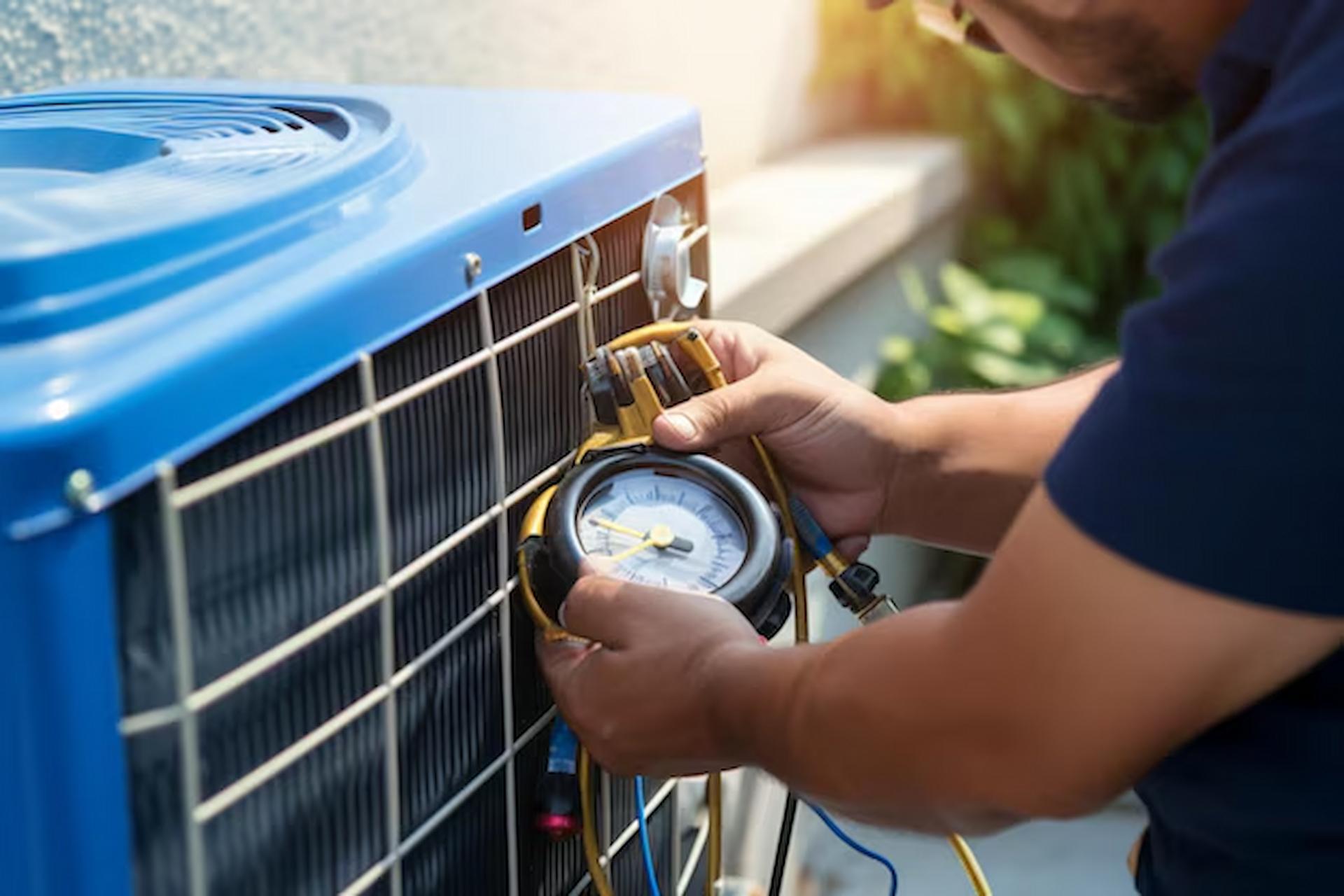
During maintenance visits, technicians inspect airflow performance, thermostat accuracy, duct conditions, and system calibration. These adjustments help ensure the system distributes conditioned air evenly throughout the home.
Partnering with an experienced HVAC contractor in Murraysville, NC can help homeowners maintain comfortable indoor conditions while improving overall system reliability.
Consistent comfort also contributes to better sleep, improved indoor air quality, and a healthier living environment.
2. Extends the Lifespan of HVAC Equipment
Heating and cooling systems represent a significant investment for homeowners. Without regular care, small issues can gradually develop into major mechanical failures that shorten equipment lifespan.
Preventative maintenance helps technicians identify worn parts, refrigerant issues, electrical concerns, and airflow problems before they cause serious damage. Systems that receive consistent professional servicing often last several years longer than neglected units.
Routine maintenance protects critical components such as:
- Compressors
- Blower motors
- Evaporator coils
- Heat exchangers
- Electrical connections
Proper care reduces excessive strain and helps equipment maintain stable performance for a longer period.
3. Reduces the Risk of Unexpected Breakdowns
Unexpected HVAC failures often happen during periods of extreme weather when systems operate most heavily. Air conditioners commonly fail during heatwaves, while heating systems are more vulnerable during cold winter conditions.
Routine maintenance allows technicians to detect developing issues early. Loose electrical connections, refrigerant leaks, dirty coils, and worn belts can all be addressed before they cause system failure.
Homeowners who schedule regular inspections are less likely to experience emergency repairs or sudden loss of heating and cooling. Preventative service also reduces the inconvenience and expense associated with urgent repair visits.
4. Improves Energy Efficiency
One of the biggest advantages of regular HVAC maintenance is improved efficiency. Dust, dirt, and debris naturally build up inside heating and cooling systems over time. Dirty filters, clogged coils, and blocked airflow force the system to work harder to maintain desired temperatures.
Routine inspections and cleaning help restore proper airflow and reduce unnecessary strain on components. According to the U.S. Department of Energy, replacing a dirty air filter alone can lower energy consumption by up to 15 percent in some systems.
An efficient HVAC system consumes less energy while maintaining consistent indoor comfort. This can lead to lower utility bills and reduced wear on major components.
5. Supports Better Indoor Air Quality
HVAC systems directly influence indoor air quality because they circulate air throughout the home multiple times each day. Dust accumulation, dirty filters, mould growth, and clogged ductwork can negatively affect air cleanliness.
Routine maintenance includes filter replacement, coil cleaning, and airflow inspections that help reduce airborne contaminants. Cleaner systems can improve indoor conditions for individuals with allergies, asthma, or respiratory sensitivities.
Maintenance may also help reduce:
- Dust buildup
- Pet dander circulation
- Excess indoor humidity
- Musty odours
- Airborne allergens
Cleaner airflow contributes to a healthier and more comfortable indoor environment year-round.
FAQs
What is included in regular HVAC maintenance?
Regular HVAC maintenance typically includes filter replacement, coil cleaning, thermostat inspection, refrigerant checks, airflow testing, and electrical component inspections. Technicians also identify worn parts and potential system concerns before they develop into major problems.
How often should HVAC systems be serviced?
Most HVAC professionals recommend servicing heating and cooling systems at least twice per year. Cooling systems are usually inspected in spring, while heating equipment should be checked before winter begins.
Does HVAC maintenance really lower energy bills?
Yes. A properly maintained HVAC system operates more efficiently and uses less energy to maintain indoor comfort. Clean filters and properly functioning components help reduce unnecessary power consumption.
Can maintenance extend HVAC system lifespan?
Routine maintenance can significantly extend HVAC equipment lifespan by reducing wear on critical components and preventing major mechanical failures caused by neglected issues.
In Conclusion
Regular HVAC maintenance is one of the most effective ways to protect long-term system performance, reduce operating costs, and improve indoor comfort. Preventative servicing helps identify small problems early, supports better energy efficiency, and reduces unnecessary strain on major components.
Homeowners who invest in routine maintenance often experience fewer breakdowns, cleaner indoor air, and longer-lasting equipment. By taking a proactive approach to HVAC care, it becomes much easier to maintain reliable comfort and avoid costly surprises throughout the year.