
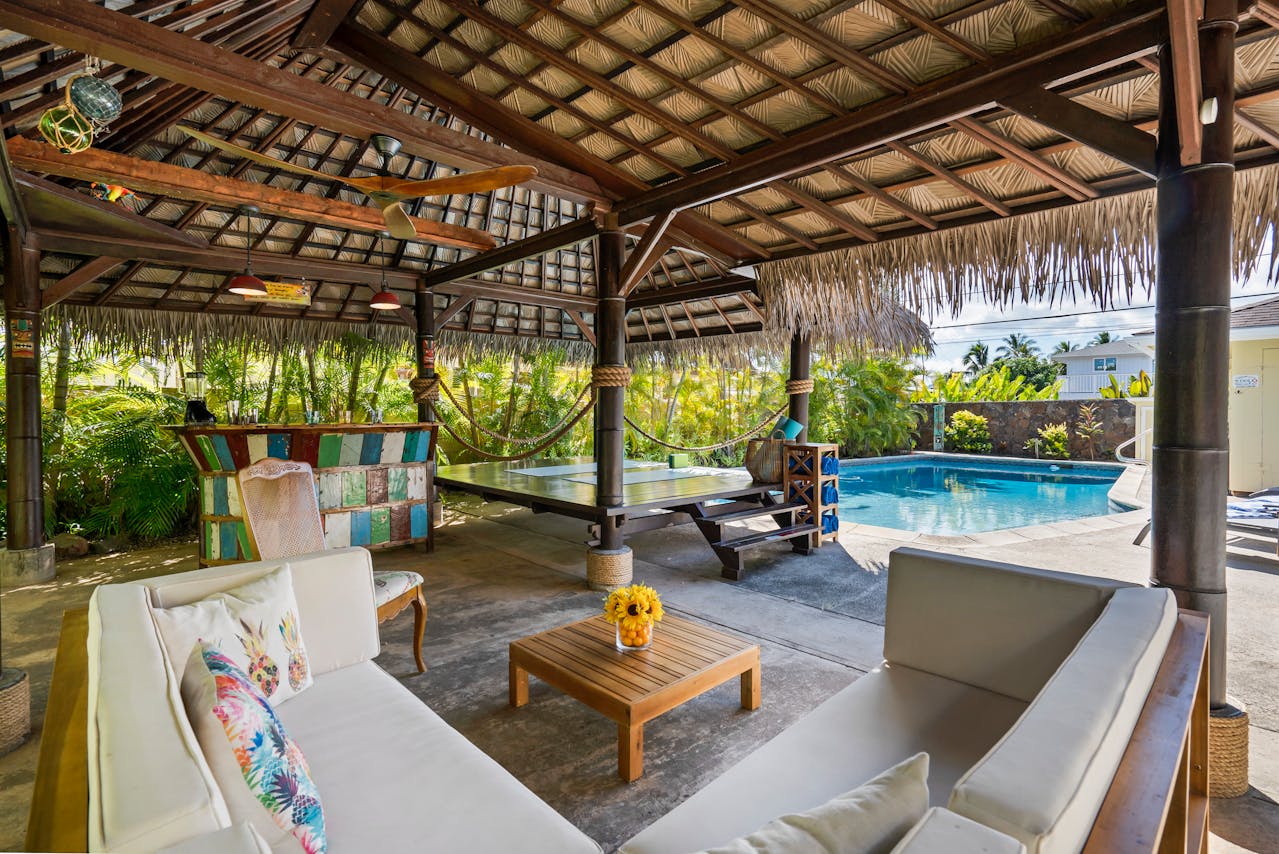
Bali has long been known for its beaches, culture, and relaxed lifestyle. Over the past decade, it has also become one of Southeast Asia’s most talked-about real estate markets. From private pool villas in Canggu to hillside homes in Ubud, investors are increasingly looking at Bali not just as a holiday destination, but as a long-term property opportunity.
If you’re considering investing in Bali real estate, here’s what you need to understand before making a move.
Why Bali Attracts Property Investors
1. Strong Tourism-Driven Demand
Tourism is the backbone of Bali’s economy. Millions of international visitors arrive each year, creating consistent demand for short-term rental properties. Areas like Seminyak, Canggu, Uluwatu, and Ubud are particularly popular for holiday rentals.
This steady visitor flow supports attractive rental yields, especially for well-located villas with modern amenities. Investors targeting short-term rental income often see stronger returns than in many Western markets.
2. Lifestyle Appeal
Bali offers a unique mix of natural beauty, international dining, coworking hubs, and established expat communities. Remote workers and digital entrepreneurs continue relocating to the island, increasing demand for mid- to long-term rental homes.
What this means is simple: Bali is no longer just a vacation spot. It’s a lifestyle destination, and that supports housing demand beyond seasonal tourism.
3. Competitive Entry Prices
Compared to major cities in Europe, Australia, or North America, property prices in Bali remain relatively accessible. Investors can still acquire high-quality villas at prices that would barely secure a small apartment in many global capitals.
However, prices have been rising steadily in prime locations. Early entry into developing areas can offer better appreciation potential.
Popular Areas for Investment
Canggu
Canggu has transformed from a quiet surf village into a vibrant hotspot. It attracts younger travelers, remote workers, and long-stay expats. Modern villas close to the beach tend to perform well as short-term rentals.
Seminyak
Seminyak is more established and known for upscale dining and nightlife. Property here is more expensive but often commands higher nightly rental rates.
Ubud
Surrounded by rice fields and jungle landscapes, Ubud appeals to wellness travelers and long-stay visitors. Investment here often focuses on peaceful villas or boutique guesthouses.
Uluwatu
Famous for cliffs and surf breaks, Uluwatu has seen rapid development in recent years. Investors are increasingly exploring this region due to growing infrastructure and demand.
Understanding Ownership Structures
Foreign investors cannot directly own freehold land in Indonesia unless they establish an Indonesian legal entity. Therefore, understanding property structures is critical.
The most common options include:
- Leasehold (Hak Sewa): Foreign buyers lease land for a long term, typically 25–30 years with extension options.
- Right to Use (Hak Pakai): Available under certain conditions for foreigners with residency permits.
- PT PMA Company Structure: A foreign-owned Indonesian company that can hold certain types of land titles.
Leasehold is the most common route for international buyers. It’s important to conduct proper legal due diligence before signing any agreement.
Rental Yields and Returns
Returns vary depending on location, management quality, and occupancy rates. Well-managed villas in prime tourist areas can generate attractive gross yields, particularly if marketed effectively on platforms such as Airbnb and Booking.com.
However, realistic projections are essential. Investors should factor in:
- Property management fees
- Maintenance and staffing
- Marketing and booking platform commissions
- Local taxes
Net returns are what truly matter. A strong local management partner often makes the difference between average and excellent performance.
The Role of Reputable Developers
As Bali’s market grows, so does the number of developers offering turnkey villa projects. Choosing an experienced developer is critical to avoid construction delays or quality issues.
Some international investors compare Bali opportunities with projects in other Southeast Asian markets. For example, companies known as a property developer in Phuket often operate with structured project timelines and professional sales processes. Similar standards are increasingly expected in Bali, especially in higher-end developments.
Working with a developer that has a proven track record, clear legal documentation, and transparent construction timelines reduces investment risk.
Types of Properties in Demand
Private Pool Villas
Private villas remain the most popular investment choice. They are highly attractive for short-term rental markets and command premium nightly rates.
Townhouses and Gated Communities
In emerging areas, developers are building modern townhouse clusters aimed at digital nomads and longer-term tenants.
Luxury Estate Villas
High-net-worth buyers are increasingly exploring premium cliffside or beachfront villas. While entry costs are higher, these properties often hold strong resale value.
For those exploring the market for villas and houses in Bali, location, access roads, and zoning classification should always be carefully reviewed.
Legal and Due Diligence Considerations
Before purchasing property in Bali, investors should:
- Conduct land certificate verification.
- Check zoning regulations (tourism, residential, or agricultural).
- Ensure building permits (IMB or PBG) are in place.
- Review lease terms carefully, including extension clauses.
- Work with an independent notary and legal advisor.
Zoning is particularly important. Buying a villa in a non-tourism zone may restrict your ability to operate short-term rentals legally.
Risks to Consider
No real estate market is without risk. Bali is no exception.
- Regulatory changes: Foreign ownership laws and taxation policies can evolve.
- Market saturation: In some popular areas, oversupply may reduce rental yields.
- Currency fluctuations: Investors using foreign currencies should consider exchange rate volatility.
- Infrastructure limitations: Traffic congestion and access roads can impact property desirability.
Investing with a long-term mindset rather than short-term speculation tends to reduce exposure to market volatility.
Long-Term Outlook
Bali’s global brand remains strong. Infrastructure improvements, including airport upgrades and road expansions, continue to support growth. The rise of remote work has added a new layer of demand that is less seasonal than traditional tourism.
Over the next decade, properties in well-planned areas with reliable infrastructure are likely to outperform poorly located or unregulated developments.
Is Bali Right for Your Investment Strategy?
Bali can be attractive for:
- Investors seeking higher rental yields than in Western markets
- Lifestyle buyers planning part-time residence
- Diversification into Southeast Asian real estate
It may be less suitable for those seeking fully passive, hands-off investments without local management.
The key is clarity. Define whether your primary goal is rental income, capital appreciation, lifestyle use, or a mix of all three.
Final Thoughts
Bali real estate offers genuine opportunity, but success depends on research, proper legal structuring, and realistic financial expectations. The island’s appeal is unlikely to fade anytime soon, yet thoughtful investment decisions remain essential.
For international buyers willing to approach the market carefully, Bali can represent a compelling blend of lifestyle and financial return.