
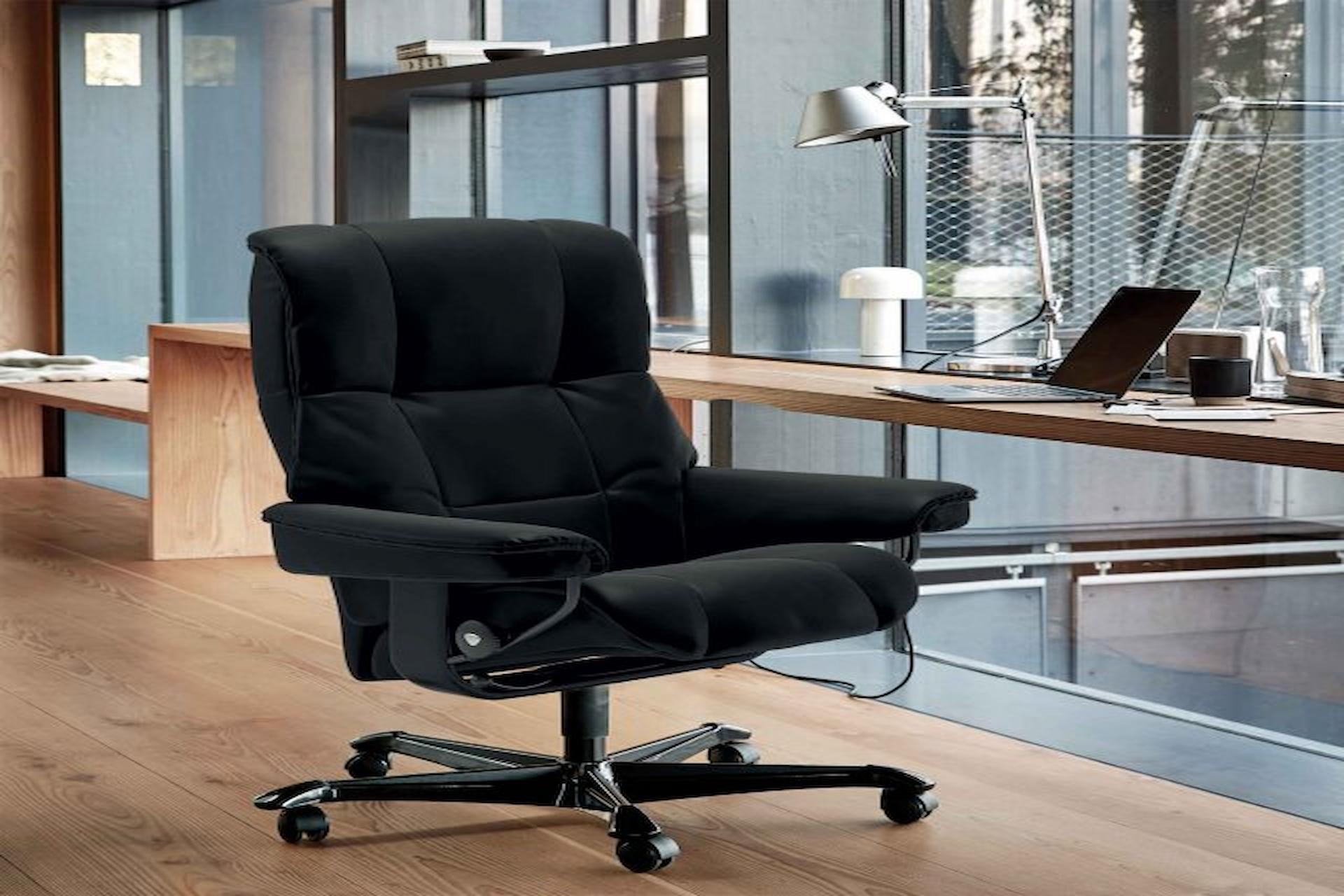
Working from home has become a long-term reality for many households across the UK. As a result, spare rooms, box rooms, and shared living spaces are now expected to function as productive offices. In these compact settings, furniture choices have a direct impact on comfort, posture, and long-term health. Among all home office items, seating remains the most critical.
An unsuitable chair can quickly lead to back pain, neck stiffness, and reduced concentration. In small spaces, these problems are often intensified due to limited movement and fewer opportunities to adjust posture. Understanding the essentials of a well-designed office chair is therefore key to creating a comfortable and sustainable working environment at home.
Why Seating Matters More in Smaller Home Offices
Small home offices restrict movement. There is often less space to stand, stretch, or reposition furniture throughout the day. This means the body remains seated for longer periods, placing continuous pressure on the spine, hips, and shoulders.
A chair designed with ergonomic principles in mind supports the body in a neutral position, helping to distribute weight evenly and reduce strain. In compact UK homes, where workspaces are often multi-purpose, good seating is not a luxury but a practical necessity.
Ergonomics Explained in Simple Terms
Ergonomics refers to designing furniture that supports how the body naturally sits and moves. For office chairs, this means promoting proper spinal alignment, supporting the lower back, and allowing small posture changes throughout the day.
A thoughtfully engineered home office chair, such as those developed by Slouch with an emphasis on adjustability, breathable materials, and posture support, reflects this ergonomic approach. Rather than relying on excessive padding or visual bulk, the focus is on structural support and comfort over long working hours.
Core Office Chair Features That Support Comfort
Adjustable Seat Height
Seat height adjustment is essential for healthy posture. When seated correctly, feet should rest flat on the floor, with knees level with or slightly lower than the hips. This position supports circulation and reduces pressure under the thighs.
In small home offices, where desks may be fixed or shared, the chair’s ability to adjust to the user becomes even more important.
Seat Depth That Matches Your Body
Seat depth should allow the user to sit fully back against the backrest while leaving a small gap between the seat edge and the back of the knees. This prevents pressure build-up and encourages upright posture.
Chairs with inappropriate seat depth often cause slouching, which is a common source of lower back discomfort in home working environments.
Lumbar Support for Spinal Alignment
Lumbar support helps maintain the natural inward curve of the lower spine. Without it, the lower back tends to round forward, increasing muscle fatigue and discomfort over time.
Adjustable lumbar support allows users of different heights and body types to fine-tune support, which is especially valuable in households where one chair may be used by more than one person.
Backrest Movement and Recline
A static sitting position places constant pressure on the spine. Chairs that allow controlled reclining or backrest movement encourage subtle posture changes, which improve circulation and reduce stiffness.
In smaller rooms, tilt mechanisms offer these benefits without requiring additional space, making them ideal for compact work setups.
Arm Support That Fits the Space
Armrests can reduce shoulder and upper-back tension when positioned correctly. Ideally, they should support the forearms without lifting the shoulders.
In small UK homes, adjustable armrests are preferable, as they allow the chair to fit neatly under the desk when not in use, helping to keep the room uncluttered.
Materials and Design for Compact Living
Breathable Backrests
Mesh or ventilated backrests help regulate body temperature, particularly in smaller rooms where airflow may be limited. Breathable materials reduce heat build-up and maintain comfort during extended periods of sitting.
Slim Profiles Over Bulky Frames
Large, heavily padded chairs can dominate small rooms visually and physically. Chairs with streamlined frames and efficient support systems offer comfort without overwhelming the workspace.
This balance between support and proportion is particularly important in UK homes where office spaces often share functions with living areas.
Integrating the Chair Into a Small Workspace
Chair and Desk Relationship
When seated, elbows should rest close to the body and form an angle of roughly 90 degrees when typing. Wrists should remain neutral, avoiding upward or downward strain.
If the desk height cannot be adjusted, the chair must compensate. This makes seat height and armrest adjustability essential features.
Floor Type and Mobility
Smooth movement reduces strain when repositioning the chair in tight spaces. Casters should be chosen based on flooring type to ensure stability and ease of movement without damaging floors.
Practical Guidance Before Choosing a Chair
When selecting a chair for a small home office, it is helpful to:
- Sit in the chair long enough to assess real comfort
- Ensure adjustments can be made while seated
- Confirm the chair fits fully under the desk
- Prioritise posture support over visual features
These steps help ensure the chair supports daily work rather than becoming a source of discomfort.
Long-Term Benefits of the Right Seating Choice
A properly designed office chair supports more than comfort. It helps maintain focus, reduces fatigue, and lowers the risk of posture-related problems over time. In small home offices, where workdays often blend into personal time, this support plays a vital role in maintaining overall wellbeing.
Conclusion
Comfortable working in small UK homes depends on making informed, practical furniture choices. An office chair that prioritises ergonomics, adjustability, and proportion can significantly improve daily working comfort without taking over limited space.
By focusing on essential features rather than appearance alone, and by choosing a home office chair designed around real working needs, it is possible to create a healthier, more productive workspace — even in the most compact home environment.