
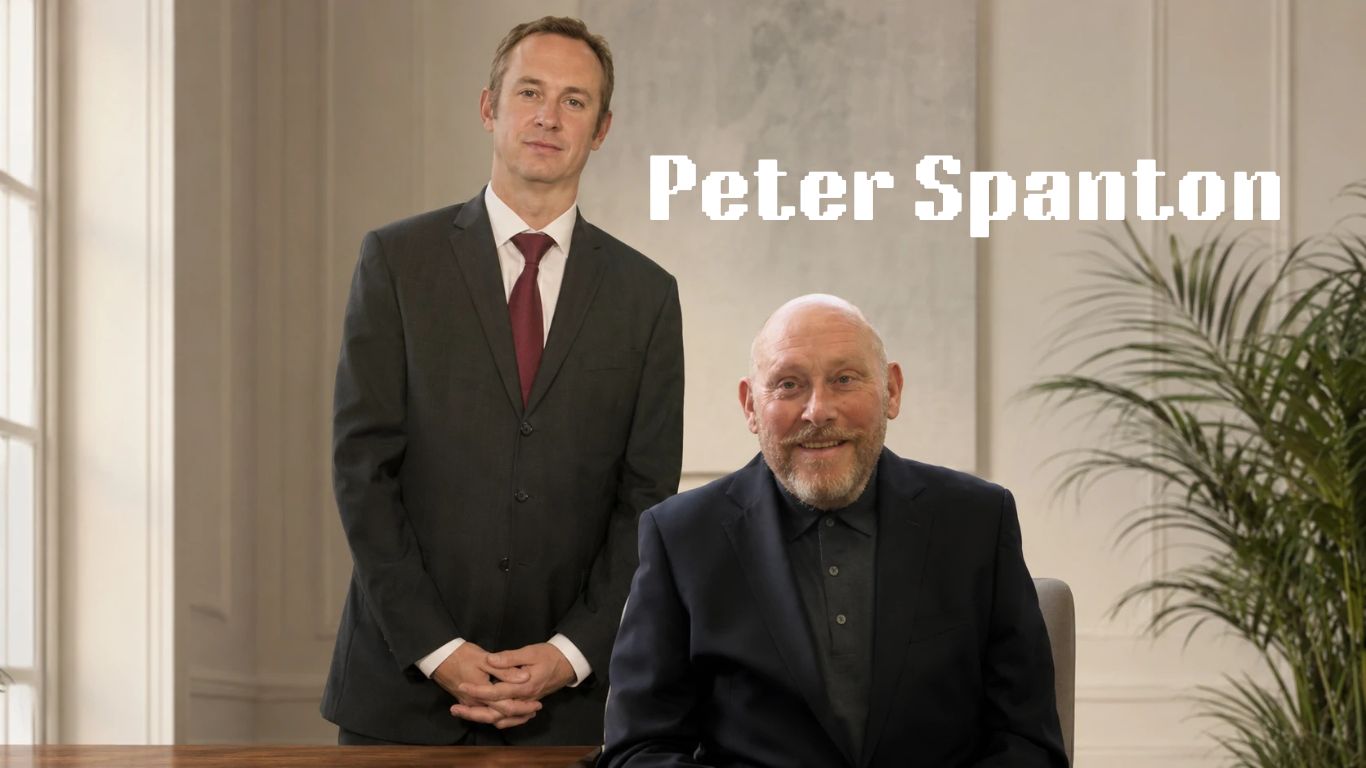
For a large portion of his life, Peter Spanton created establishments that attracted customers who wanted to remain late. That ability was important in the restaurant industry in London during the 1980s and 1990s. Food alone could not sustain a dining room for very long. Mood, timing, conversation, music, lighting, and the character of the person in charge of the space all contributed to the settings that people remembered. Through his restaurant and pub, Vic Naylor’s, Spanton became an integral part of Clerkenwell’s evolving social scene for many years.
His association with writer and broadcaster Janet Street-Porter has brought his name to the attention of many people today. After years of living largely outside of celebrity society, their extended partnership and eventual marriage forced him back into the public eye. However, Peter Spanton’s story goes much beyond his status as a husband. He created companies, overcame drunkenness, rebuilt himself in the high-end soft drink sector, and subtly contributed to a broader change in British drinking and eating habits.
Spanton has always kept a large portion of his private life secret, in contrast to prominent figures on television. This indicates that some aspects of his early life are still poorly recorded. However, there is enough solid evidence to reconstruct a life characterised by risk-taking, hospitality, recuperation, and an exceptionally keen awareness of adult socialisation.
Childhood and Family History
There are few publicly available details regarding Peter Spanton’s early years and family life. Although he is listed as British in official company documents and was born in January 1955, interviews have rarely included in-depth details about his upbringing, education, or parents. Spanton’s absence is significant since it sets him apart from several media figures whose lives have been thoroughly chronicled in newspapers and television profiles.
Based on what is known, he appears to have grown up surrounded by working-class social customs related to food and drink as well as classic London pub culture. His father’s whisky-and-dry habit and the East End drinking culture were later mentioned in material related to his beverage brand. These allusions were presented in part as product narratives, but they also alluded to the sensory factors that influenced Spanton’s preferences and beliefs around adult alcohol consumption.
The hospitality instincts that later characterised Spanton’s enterprises appeared to be more based in observation than in formal training, albeit few people are aware of this. Rather than coming from corporate restaurant groups or celebrity-chef culture, he belonged to a generation of restaurateurs who learnt by working rooms, understanding people, and reading surroundings. Throughout his career, that distinction would characterise his approach to business.
Locating a Place in the World of Restaurants in London
London’s dining culture was starting to change by the middle of the 1980s. Workshops, warehouses, and faltering commercial spaces nevertheless littered areas of the city that would eventually become trendy creative districts. Clerkenwell had not yet developed into the upscale dining district that it would eventually be recognised as.
Vic Naylor’s was established by Peter Spanton on St John Street in Clerkenwell in 1986. One of his career’s significant projects would be the venue. Since Clerkenwell had not yet drawn the concentration of media professionals, designers, and wealthy eaters that came later, it was risky to operate a chic restaurant there.
Vic Naylor’s was unique because it didn’t seem fake. Later, reports from cultural journalists and restaurant critics detailed exposed brickwork, laid-back service, and a space that prioritised individuality over formal elegance. Spanton was frequently characterised as a hands-on host who knew how to make visitors feel like they were a part of something special and partly concealed.
In actuality, eateries like Vic Naylor’s contributed to the transformation of entire neighbourhoods. Smaller independent operators established locations that attracted artists, journalists, musicians, and advertising figures to Clerkenwell prior to the arrival of huge developers and corporate hospitality firms. That early movement included Spanton’s venue.
The Creative Crowd and Vic Naylor’s
Vic Naylor’s gained a reputation over time that went beyond its culinary offerings. During the emergence of the Young British Artists generation, it came to be identified with London’s artistic environment. Numerous profiles linked the restaurant to artists associated with Britain’s controversial contemporary art scene in the 1990s, including Tracey Emin, Sarah Lucas, and the Chapman brothers.
Before becoming well-known worldwide, director and artist Sam Taylor-Wood—later known as Sam Taylor-Johnson—worked there, according to accounts from that era. These specifics are important because, instead of just adding well-known names after the fact, they situate the restaurant inside a genuine cultural moment.
Even Spanton seemed to favour casualness above exclusivity. Vic Naylor’s became well-known by word-of-mouth and reputation, in contrast to tightly regulated celebrity eateries. The ambiance was stylish without being overly controlled, a quality of hospitality that London used to excel at.
This is where things start to get interesting, though. Spanton’s personality and presence had a significant impact on the venue’s success. He was frequently characterised as charismatic, gregarious, and actively engaged in the life of the room by friends, journalists, and restaurant writers. Regulars were more loyal as a result of that quality, but there were personal consequences as well.
Alcohol, Overindulgence, and a Transition
In London’s nightlife culture of the 1980s and 1990s, operating pubs and restaurants frequently made it difficult to distinguish between employment and excess. Alcohol finally became a major issue for Peter Spanton. Later on, he talked candidly about how he became an alcoholic while operating Vic Naylor’s.
Years later, Spanton stated in interviews that he checked himself into The Priory in 1999 after realising his drinking had become harmful. He said that quitting drinking was one of the most difficult things he had ever done. Because he didn’t attempt to romanticise addiction or portray recovery as easy, his remarks held an exceptional level of honesty.
That pivotal moment included his friendship with Janet Street-Porter. According to Spanton, their relationship started when he was attempting to turn his life around and she urged him to get therapy. The time was crucial because abstinence made him reevaluate both his habits and the social culture in which he lived.
Surprisingly, the encounter had a direct impact on his subsequent business endeavour. Instead of abandoning hospitality entirely, Spanton developed an interest in what was truly provided to non-drinkers in pubs and restaurants. He observed that while everyone else drank wine, cocktails, and carefully chosen spirits, individuals who abstained from alcohol were typically left with sugary sodas, fruit juice, or mineral water.
A new career was born out of that frustration.
Using Adult Soft Drinks to Reinvent Himself
Spanton abandoned heavy drinking and turned his attention to high-end non-alcoholic drinks. He was attempting to make cocktails that felt sophisticated enough for adults who still desired ritual and flavour without alcohol long before the term “mindful drinking” became popular.
Peter Spanton Beverages, his beverage company, sought to provide complexity as opposed to sweetness. Rather than being marketed as conventional soft drinks, the items were more like mixers or cocktails. Spices, herbs, citrus oils, bitter notes, and botanical flavors—which were unusual in popular sodas at the time—were among the ingredients.
Beverage No. 7, an acai-based beverage created over a number of years, was one of the products that attracted early attention. In contrast to traditional soft drinks, which are consumed fast, Spanton expressed a desire for a beverage that could be sipped slowly and combined with food. According to reports, the beverage blended acai with grape, clove, and star anise to make it richer and more complex.
Sophisticated alcohol-free products were not yet widely accepted in the British drinking industry. Although there were high-end tonics, the low- and no-alcohol industry was still very modest in comparison to what it will grow into in the 2020s. Before supermarkets and international companies made significant investments in adult non-alcoholic beverages, Spanton entered the market.
Developing the Peter Spanton Brand
Spanton’s product line grew to include flavoured tonics and mixers, which demonstrated his penchant for unconventional pairings. Cardamom, cucumber, lemongrass, ginger, cocoa, mint, and bitter citrus components were among the products connected to the brand. Additionally, the brand’s retro-inspired packaging and name set it apart from mainstream soft drinks with vibrant colours.
Food writers and drink magazines took notice of the cocktails because they saw them as a component of the expanding premium mixer sector. Complexity rather than mass-market sweetness seemed appealing. In the same settings where alcohol has historically predominated, Spanton seemed interested in developing drinks that were socially acceptable.
From Hospitality Pioneer to Premium Drinks Entrepreneur
Although Peter Spanton Beverages developed a loyal following among bartenders, restaurants, and specialist retailers, the business remained relatively niche compared with some of the larger mixer brands that later dominated the global market.
However, its importance was not measured purely by commercial scale. The brand represented a changing attitude towards drinking culture in Britain and challenged traditional ideas about what adult beverages could look and taste like.
Long before alcohol-free drinks became a major lifestyle movement, entrepreneurs like Spanton were exploring new possibilities. His products entered the market before the category became crowded, giving the brand a cult reputation among hospitality professionals who valued innovation and quality.
Relationship With Janet Street-Porter
One of the most publicly recognised aspects of Peter Spanton’s personal life is his long relationship with journalist and broadcaster Janet Street-Porter.
Street-Porter had already built a decades-long career in television, journalism, and media before meeting Spanton. Their relationship reportedly began in the late 1990s, and over the years they became known as a couple who maintained a strong partnership despite their very different professional worlds.
While Street-Porter has occasionally spoken about Spanton publicly, the couple generally kept their private life away from constant media attention.
Their relationship attracted interest partly because of the contrast between their personalities. Street-Porter became known for her outspoken presence and fearless approach to public debate, while Spanton maintained a quieter identity built around hospitality, entrepreneurship, and creativity.
Friends and profiles often described them as intellectually matched, socially aware, and deeply supportive of one another.
In February 2026, Street-Porter announced on Loose Women that she and Spanton had married after 27 years together. The announcement gained attention because it celebrated a long-lasting relationship rather than a traditional celebrity spectacle.
The wedding itself appeared intentionally understated, with much of the public focus placed on their history together, humour, and commitment rather than on celebrity glamour.
For many people unfamiliar with his earlier career, the announcement also sparked renewed interest in Spanton’s work in restaurants and drinks.
Business Interests and Financial Background
Searches around Peter Spanton often include questions about his wealth and financial position. However, detailed information about his personal finances has never been publicly disclosed.
Business records confirm his involvement in hospitality and beverage ventures, including Peter Spanton Drinks Ltd, but company filings do not provide a complete picture of his personal assets, investments, or overall financial position.
Some websites publish estimated net worth figures, but many of these claims are based on speculation rather than verified information.
The reality of independent hospitality businesses is complex. Even successful restaurants and drinks brands can involve significant operating costs, financial risks, and changing market conditions.
Spanton’s reputation has never been built around visible wealth. Instead, his influence comes from creativity, taste, originality, and his ability to identify cultural shifts before they become mainstream.
Public Reputation and Personality
People who worked with Peter Spanton often described him as stylish, opinionated, and highly aware of social trends. He appeared to value authenticity, atmosphere, and human connection over traditional business formulas.
These qualities shaped both his restaurant career and his approach to creating drinks.
His story also carries a deeper theme of reinvention. After struggling with alcoholism, Spanton did not leave hospitality behind. Instead, he used his experience to explore a different relationship with drinking and social culture.
That perspective now feels remarkably relevant. Over the past decade, Britain has seen growing interest in sobriety, mindful drinking, and premium alcohol-free alternatives.
Spanton entered this conversation years before it became a mainstream lifestyle trend.
His relationship with Janet Street-Porter also influenced how the public viewed him. Rather than seeking fame himself, he was often portrayed as a grounded and private figure who provided balance within their partnership.
A Private Life Away From the Spotlight
Despite occasional media attention, much of Peter Spanton’s personal life remains private.
Details about his family, children, education, and early years have not been widely documented, suggesting that he has deliberately maintained boundaries between his professional achievements and personal life.
Unlike many modern public figures who share their lives constantly through social media, Spanton represents an older style of hospitality personality. His reputation was built through restaurants, conversations, relationships, and word of mouth.
Even during the popularity of Vic Naylor’s, the focus remained on the venue itself rather than turning Spanton into a celebrity personality.
This privacy means that any biography of Spanton must focus on verified achievements rather than speculation about areas of his life that remain unknown.
Cultural Influence and Legacy
Peter Spanton occupies an interesting place in British hospitality history. He was never a mainstream celebrity, yet his work connected with several important cultural changes.
The Influence of Vic Naylor’s
Opened in Clerkenwell, London, in 1986, Vic Naylor’s became associated with the city’s creative and media communities.
The restaurant represented a period when independent venues played a major role in transforming London neighbourhoods into cultural destinations.
Its atmosphere, clientele, and approach reflected the growing importance of personality-driven hospitality.
Early Contribution to Alcohol-Free Drinks
Spanton’s beverage business also anticipated a movement that would later become much larger.
Today, sophisticated alcohol-free cocktails, premium mixers, and adult soft drinks are common in restaurants and bars. However, when Peter Spanton Beverages launched, these options were far less established.
His work helped demonstrate that choosing not to drink alcohol did not mean sacrificing taste, experience, or social enjoyment.
A Story of Reinvention
Beyond business, Spanton’s legacy is also personal.
His journey showed that someone deeply connected to restaurant and drinking culture could step away from alcohol while still celebrating hospitality, connection, and pleasure.
That message has become increasingly meaningful as conversations around sobriety and mindful drinking continue to grow.
Where Is Peter Spanton Now?
As of 2026, Peter Spanton remains best known for his hospitality career, his premium drinks ventures, and his marriage to Janet Street-Porter.
Peter Spanton Drinks Ltd was dissolved in 2022, according to UK company records, although the brand continues to be remembered within the premium mixer and alcohol-free drinks space.
In recent years, public attention has focused mainly on his relationship with Street-Porter rather than new business ventures or frequent media appearances.
However, his influence remains visible. The hospitality world continues to embrace concepts he explored early, including independent venues, thoughtful drinking experiences, and high-quality alcohol alternatives.
Many ideas that once seemed unconventional now feel completely aligned with modern lifestyle trends.
Frequently Asked Questions
Who is Peter Spanton?
Peter Spanton is a British restaurateur and drinks entrepreneur best known for founding Vic Naylor’s in Clerkenwell, London, and later creating the Peter Spanton range of premium soft drinks and mixers. He is also known publicly as the husband of Janet Street-Porter.
How old is Peter Spanton?
Public business records indicate that Peter Spanton was born in January 1955, making him 71 years old in 2026. His exact birth date has not been widely published.
What was Vic Naylor’s?
Vic Naylor’s was a restaurant and bar opened by Peter Spanton in Clerkenwell in 1986. It became recognised as a popular venue among London’s creative and media communities.
Is Peter Spanton married to Janet Street-Porter?
Yes. Janet Street-Porter announced in February 2026 that she and Peter Spanton had married after 27 years together.
Did Peter Spanton struggle with alcoholism?
Peter Spanton has spoken publicly about his experience with alcoholism during his years working in restaurants and bars. He later received treatment at The Priory in 1999 and became sober, which influenced his later work in alcohol-free beverages.
What happened to Peter Spanton Drinks?
Peter Spanton Drinks Ltd, the company behind his beverage range, was dissolved in 2022. However, the brand remains part of his contribution to the premium mixer and alcohol-free drinks movement.
What is Peter Spanton’s net worth?
There is no verified public figure for Peter Spanton’s net worth. While he has operated successful hospitality and drinks businesses, his personal finances have remained private.
Conclusion: A Quiet Pioneer of Modern Drinking Culture
Peter Spanton’s story is not the typical celebrity journey. His influence came through restaurants, products, and personal transformation rather than constant public attention.
Through Vic Naylor’s, he became part of a changing London hospitality scene where independent venues helped shape neighbourhood culture. Through his drinks business, he anticipated a movement towards premium alcohol-free options long before it became mainstream.
Today, while much of the public conversation around him focuses on his marriage to Janet Street-Porter, his own achievements remain significant.
Peter Spanton represents a rare combination of hospitality instinct, creative thinking, and personal reinvention. His career shows that innovation does not always come from chasing trends. Sometimes it comes from understanding where culture is heading before everyone else sees it.