Winter places real pressure on home heating. As temperatures drop, furnaces work harder and for longer hours. Small issues that go unnoticed in mild weather often turn into full breakdowns when heat is needed most. This is why preventive care matters. It is not about fixing what is already broken. It is about avoiding disruption before it begins.
For homeowners thinking about furnace repair in Dyker Heights, Brooklyn, winter readiness should start well before the coldest days arrive. Preventive repair focuses on steady performance, safe operation, and consistent warmth. When handled early, it reduces stress on the system and on the household.
Why Winter Is the Most Demanding Season for Furnaces
Cold weather exposes every weakness in a heating system. A furnace that ran quietly in autumn may struggle once winter sets in. This is because parts expand and contract with temperature changes. Dust builds up during long idle months. Airflow can become restricted without warning.
During winter, furnaces rarely get a break. Continuous use increases wear. As a result, even a minor fault can escalate quickly. Preventive repair addresses these risks early. It allows issues to be resolved while the system is still stable, rather than during an emergency.
For households relying on furnace repair in Dyker Heights, Brooklyn, early attention often means the difference between a calm winter and repeated service calls.
Preventive Repair Is About Control, Not Reaction
Many homeowners wait until a furnace fails before acting. This reactive approach often leads to rushed decisions and higher costs. Preventive repair takes a different path. It gives control back to the homeowner.
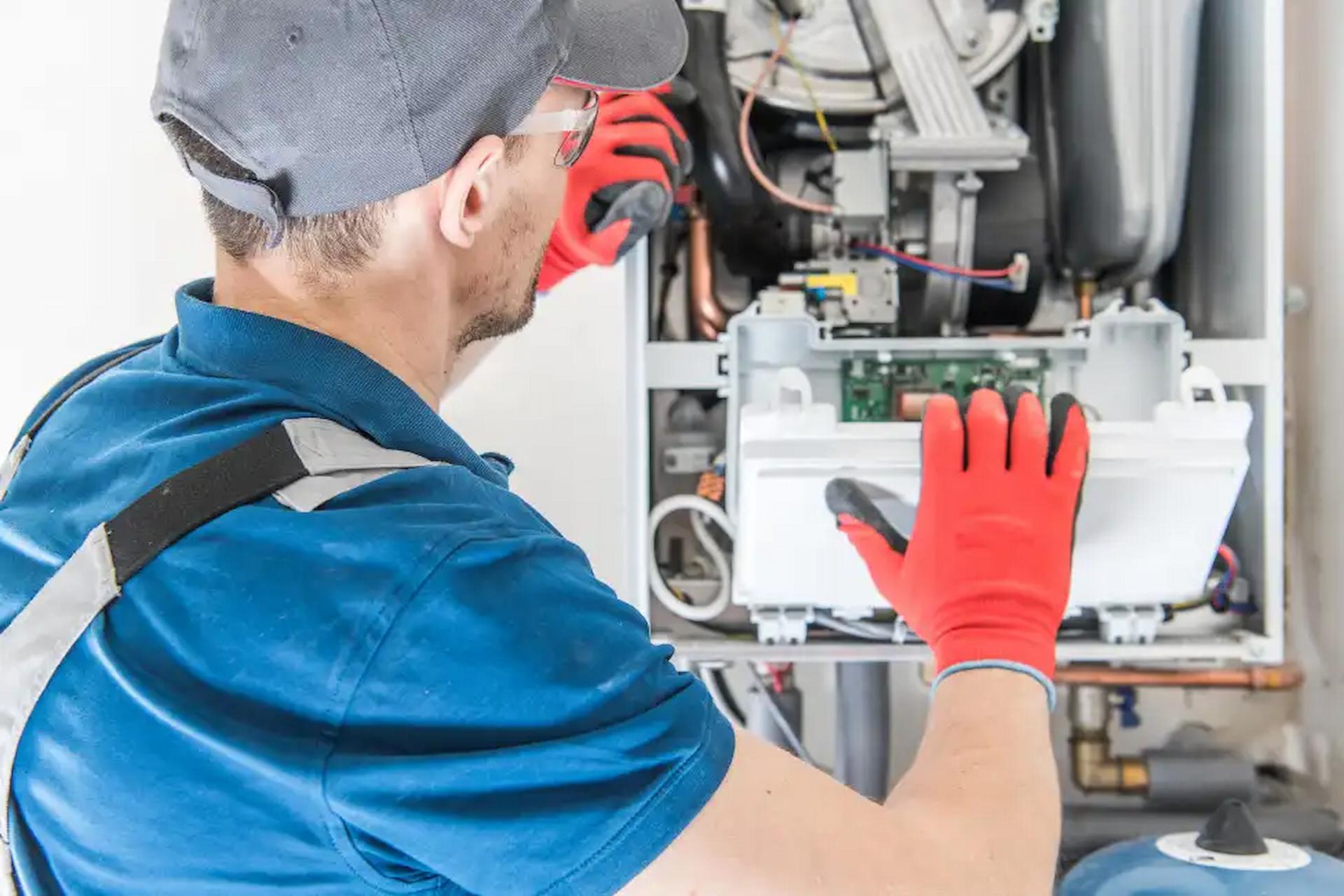
A preventive visit checks how the furnace is coping with regular use. It ensures that heat is produced evenly. It confirms that the system responds properly to settings. It also identifies signs of strain that are easy to miss during daily life.
This type of care supports better planning. Repairs can be scheduled at a convenient time. Costs remain predictable. Comfort is protected before it is compromised.
How Preventive Furnace Care Protects Comfort
Consistent warmth is not a luxury in winter. It is essential for daily life. Preventive repair supports steady heat by keeping the furnace balanced. When systems are clean and adjusted, they respond faster and run more smoothly.
Uneven temperatures often signal early problems. One room may feel colder than another. The system may cycle on and off too often. These signs are subtle, yet meaningful. Addressing them early helps restore balance before comfort drops further.
Preventive care also reduces noise. Furnaces under strain tend to work louder. Quiet operation is usually a sign that the system is healthy and stable.
Safety Matters More Than Many Realise
Heating systems play a direct role in home safety. A poorly maintained furnace can create risks during winter. Preventive repair focuses on safe operation as much as warmth.
Early checks help ensure that the system shuts down properly when needed. They also confirm that airflow remains clear. When systems work as intended, households gain peace of mind throughout the cold season.
This focus on safety aligns closely with responsible home ownership. It reflects care for both property and people.
Preventive Repair Helps Control Energy Use
Winter energy bills often rise sharply. While cold weather is unavoidable, wasted energy is not. Preventive furnace repair helps systems run more efficiently, even without changing usage habits.
When a furnace works smoothly, it uses less effort to produce heat. It reaches target temperatures faster. It maintains warmth without constant adjustment. Over time, this steadiness supports lower energy consumption.
Although savings vary from home to home, efficient operation always benefits long-term household costs. Preventive care supports this goal without complex changes.
Why Timing Makes a Difference
The best time for preventive furnace repair is before winter peaks. Early attention allows space for careful work. It avoids the seasonal rush when breakdowns become common.
Scheduling preventive care early also reduces waiting times. During extreme cold, service demand increases. Acting ahead helps homeowners avoid delays when quick solutions are most needed.
This approach reflects practical planning. It prioritises comfort and reliability rather than reacting under pressure.
Experience Shows Prevention Works
Homes that follow a preventive repair routine tend to experience fewer winter failures. This pattern is consistent across many heating systems. While no furnace lasts forever, regular care supports longer service life and steadier performance.
Experienced homeowners often describe preventive repair as a quiet success. Nothing dramatic happens. There is no emergency. The house simply stays warm.
This outcome reflects the value of informed maintenance. It is based on experience, not guesswork.
Trust Is Built Through Consistent Care
Preventive furnace repair builds trust between homeowners and their heating systems. When performance is reliable, confidence grows. This trust reduces anxiety during extreme weather.
It also strengthens trust in professional service. Regular inspections and honest advice help homeowners understand their system better. Clear guidance supports better decisions over time.
This relationship aligns with the principles of experience, expertise, authority, and trust. It values informed action over quick fixes.
Conclusion
Winter breakdowns rarely happen without warning. They often begin as small, manageable issues that grow under pressure. Preventive furnace repair addresses these problems early, before comfort is disrupted.
For households in Dyker Heights, steady heating supports daily routines, safety, and peace of mind. Preventive care offers control, stability, and confidence throughout the cold season. By acting early and maintaining consistency, homeowners can face winter with assurance rather than uncertainty.