
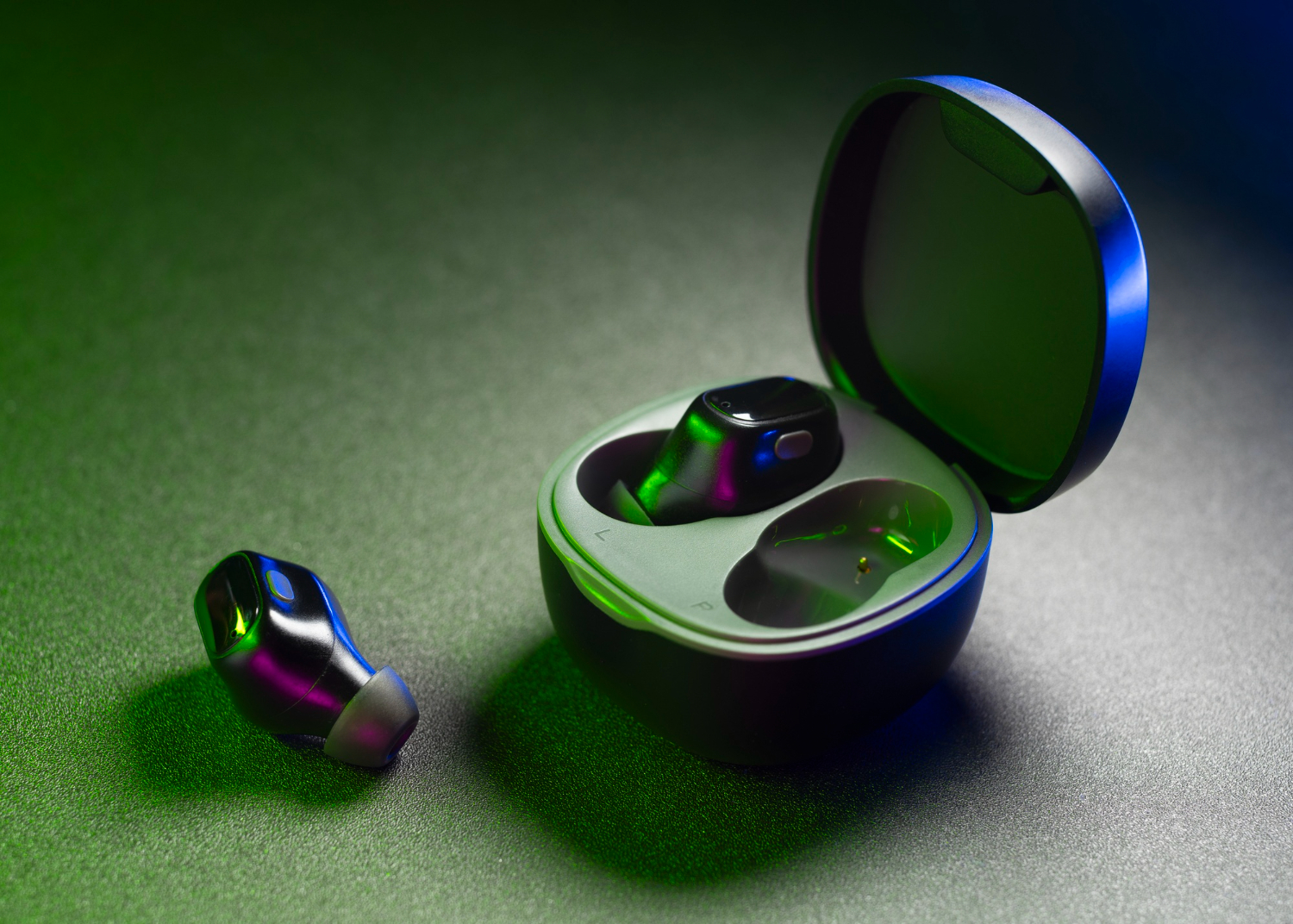
The phrase “best wireless earbuds under $200 in 2024” does not point to a person. It points to a very specific kind of buyer: someone who wants premium features without paying premium prices. By 2024, that buyer had more options than ever before. A price range that once meant sacrificing features like noise cancellation, transparency mode, app-based EQ, multipoint Bluetooth, spatial audio, or water resistance had changed completely. The real story of this category is the story of wireless earbuds growing from a luxury accessory into an everyday essential.
Nothing Ear 2024: Best Overall
Nothing Ear 2024 stands out as the best all-around pick under $200. For its price, it feels unusually complete. It offers active noise cancellation, strong sound customisation, wireless charging, a distinctive transparent design, and support for higher-quality Bluetooth codecs on compatible Android phones. It feels built for people who care about sound and settings, but do not want to spend flagship money. When it launched, it cost around $149, comfortably below the $200 mark.
Its greatest strength is flexibility. Many earbuds lean hard into one sound signature, which can become tiring over time. Nothing’s app gives users far more control than most, making it easy to tailor the sound to personal preference. That makes it a strong match for almost any listening habit, from podcasts and acoustic tracks to pop, hip-hop, and electronic music.
Its noise cancellation is strong enough for daily life, even if it does not quite match premium Bose or Sony models. It handles train noise, office hum, and low background rumble well. Still, most shoppers under $200 are not expecting total silence. They want balanced sound, useful noise reduction, and a comfortable fit, and Nothing Ear delivers that better than most.
OnePlus Buds 3: Best Value
The OnePlus Buds 3 are one of the best value picks of 2024. With a launch price around $100, they offer active noise cancellation, multipoint pairing, water resistance, strong battery claims, and a lively sound profile. For anyone trying to stay well under $200, they are difficult to ignore. They also show how competitive phone brands have become in the earbuds market.
Their sound is energetic, with enough bass to make pop and gym playlists feel full and engaging. That will not suit everyone, especially listeners who prefer a flatter, more studio-like presentation. But for most people, the OnePlus Buds 3 sound fun, clear, and more expensive than they actually are. The app also gives users more control than many older budget earbuds.
They make the most sense for Android users, especially those with OnePlus phones. iPhone users can still use them, but they will not get the same codec support or system-level polish. That is a common pattern now. Even when earbuds work across platforms, the best features are often tied to the phone you own.
Soundcore Liberty 4 Pro: Best ANC Value
The Soundcore Liberty 4 Pro is the pick for buyers who want a long feature list and strong noise control without paying a premium. Soundcore has built a reputation for packing in features, and the Liberty 4 Pro continues that approach. The charging case offers additional controls, and the app gives users deep control over both sound and noise settings. It is the kind of product that appeals to people who like to fine-tune everything.
Its appeal is not limited to ANC. With a strong battery, EQ controls, fit options, and app flexibility, the Liberty 4 Pro works well for both commuting and office use. A good app can completely change how long earbuds stay useful, especially when the sound is not quite right out of the box.
Soundcore does give up some brand recognition. Apple, Samsung, and Beats still carry more mainstream trust, and some buyers simply feel more comfortable with those names. But for people who care about features per dollar, Soundcore is one of the smartest buys in the category. It may not be the flashiest option, but it is consistently practical.
Beats Studio Buds+: Best for Apple Users
For iPhone users shopping under $200, the Beats Studio Buds+ are among the cleanest third-party options available. They are compact, stylish, and easy to live with. They support active noise cancellation and transparency mode, and unlike AirPods, they also work with a broader range of Android phones, which makes them a useful option in households with mixed devices.
They are not a full replacement for AirPods Pro. Apple ecosystem integration is not as deep, and their noise cancellation is not class-leading. But they are simple, polished, and convenient, which is exactly what many buyers want. They are easy to carry, easy to use, and easy to recommend.
That is their real advantage. They fit into everyday life without creating friction. At under $200, they are a low-risk choice, and sometimes that is the smartest kind of purchase.
Beats Fit Pro: Best for Workouts
The Beats Fit Pro remain one of the best workout earbuds under $200 because they do one essential thing well: they stay in place. The wingtip design helps them lock into the ear more securely than many smooth, rounded earbuds, especially during running, lifting, or fast movement. For people who are constantly adjusting earbuds mid-workout, that stability matters more than codec support or case design.
The Apple H1 chip also gives them an advantage for iPhone users. Pairing, switching, and using Apple ecosystem features feels smoother than it does with many third-party brands. That makes the Beats Fit Pro a strong middle ground between AirPods convenience and gym-friendly design. For some users, they are the better Apple option simply because they fit better.
Their main drawbacks are age and bulk. By 2024, the case and battery numbers do not feel as modern as newer competitors, and the wingtip design will not suit everyone for long listening sessions. Even so, they remain one of the most reliable workout choices under $200.
Samsung Galaxy Buds FE: Best for Samsung Users
The Samsung Galaxy Buds FE are the best budget-friendly pick for Galaxy phone owners who still want useful features. They offer active noise cancellation, a compact design, and a secure fit with wingtips, all at a much lower price than Samsung’s flagship earbuds. They also pair especially well with Samsung devices, which makes them a natural choice for Galaxy users.
These are not earbuds designed to out-sound every rival. Their job is to be stable, affordable, and dependable within Samsung’s ecosystem. For a lot of people, that is enough. They handle commuting, calls, and daily listening without fuss.
Their biggest limitation is ecosystem appeal. Outside Samsung’s world, they do not have the same advantage. Still, they are straightforward, reliable, and easy to recommend to anyone who wants a solid pair of earbuds without stepping up to the Galaxy Buds Pro range.
JBL Live Beam 3: Best Smart Case
The JBL Live Beam 3 stands out for one unusual reason: its smart charging case with a built-in display. That display lets users adjust certain settings without opening the phone app, which gives the product a distinct identity in a crowded market. JBL also backs it up with long battery claims and easy app controls.
Its value is harder to judge because it sits close to the $200 ceiling. At full price, it competes with cheaper premium options and other very strong midrange models. But for buyers who like JBL’s sound signature, the case display, and the promise of long playback, it offers something genuinely different.
It is best suited to users who like convenience. If you regularly switch between noise modes, brightness settings, or quick controls throughout the day, the smart case makes sense. If you rarely change anything after setup, the feature matters less. That makes the Live Beam 3 interesting, but not essential for everyone.
EarFun Air Pro 4: Best Budget Wild Card
The EarFun Air Pro 4 deserves more attention than it often gets. At a low price, it brings together active noise cancellation, app controls, EQ options, and support for modern codecs. It is a reminder that lesser-known audio brands have come a long way. The old assumption that cheap wireless earbuds had to be disposable no longer holds up.
Its appeal is simple: maximum features for minimum money. EarFun gives budget buyers a lot to work with, and the app support helps it compete with bigger names. It is a smart option for someone looking for a backup pair or their first serious pair without getting close to $200.
The main caution is long-term confidence. Bigger brands usually have stronger service networks, more retail presence, and clearer customer support. Still, EarFun can be an excellent buy, especially when purchased from a retailer with a solid return policy. That gives buyers time to test fit, call quality, and app performance before fully committing.
How to Choose the Right Pair
Fit matters first. Even expensive earbuds sound weak when the seal is poor. Bass loses impact, and noise cancellation becomes less effective. Ear tip size matters more than many buyers realise, especially for people with unusually large or small ears. Because ears vary so much, no review can guarantee comfort for everyone.
The second factor is your phone. iPhone users should be careful with earbuds whose best features depend on Android-only codecs. Samsung owners often get more from Galaxy Buds, while OnePlus users may get the best experience from OnePlus earbuds. Nothing and Soundcore are generally easier to recommend across platforms because they rely less on one phone ecosystem.
Third, think about where you listen. Commuters should prioritise ANC and transparency mode. Runners should care more about fit and water resistance. Office users should pay attention to call quality and multipoint Bluetooth. Music-focused listeners should look for EQ controls and a sound profile that stays enjoyable over time.
Battery life also needs context. Brands often quote battery performance with ANC off and moderate volume. In real use, the numbers are usually lower, especially if you use high-bitrate codecs, noise cancellation, transparency mode, spatial audio, or gaming modes. For most people, a strong case battery can matter just as much as the earbuds themselves.
Mistakes Buyers Often Make
One common mistake is choosing the cheapest model without checking how old it is. Some older premium earbuds may still perform well, but batteries degrade, software support changes, and newer midrange models may offer better apps or Bluetooth features. A lower price only matters if the product still meets your needs.
Another mistake is assuming ANC means silence. Active noise cancellation works best against steady low-frequency sounds such as engine hum, fan noise, and train rumble. It is much less effective against voices, sudden noises, and wind. A great ANC chip cannot fully overcome a bad seal.
A third mistake is overvaluing codec names. On Android phones that support them, LDAC, LHDC, and aptX can make a difference, but they cannot fix poor tuning or a weak fit. iPhone users should be especially cautious, because many advanced codec claims do not apply to them. For most people, comfort, tuning, EQ control, and reliability matter far more.
Frequently Asked Questions
Which wireless earbuds are best under $200 in 2024?
Nothing Ear 2024 is the best overall choice because it offers the strongest mix of sound control, features, design, and price. It works well across many use cases and gives users more customisation than many rivals.
Which are the best budget wireless earbuds under $200?
The OnePlus Buds 3 are the best value pick for most buyers. They deliver ANC, strong battery claims, useful app features, and lively sound at a price far below many competitors.
What are the best earbuds for iPhone under $200?
The Beats Studio Buds+ are the best everyday pick for iPhone users, while the Beats Fit Pro are better for workouts. Studio Buds+ are more compact and easy to live with, while Beats Fit Pro offer a more secure fit and stronger Apple ecosystem support.
Which earbuds are best for Samsung phones under $200?
The Samsung Galaxy Buds FE are the best choice for Galaxy users. They offer noise cancellation, a secure fit, and smoother integration with Samsung devices than many third-party alternatives.
Do earbuds under $200 block out noise well?
Many do. The Soundcore Liberty 4 Pro, OnePlus Buds 3, Nothing Ear, and JBL Live Beam 3 all perform well for everyday noise reduction. People who fly frequently or want near-total silence may still prefer discounted premium models.
Are calls good on wireless earbuds under $200?
Some are very good for everyday calls, but quality is still inconsistent across the category. Wind, traffic, and background chatter can quickly expose weaker microphones, so testing during the return period is wise.
Should I buy discounted premium earbuds instead?
Sometimes, yes. If premium models from Apple, Sony, Bose, or others drop below $200 during a sale, they can be excellent value. The trade-off is that older models may have shorter battery life, weaker support, or less future-proof features than newer midrange earbuds.
Conclusion
Good sound no longer has to be expensive. The best wireless earbuds under $200 in 2024 proved that. Buyers can now get active noise cancellation, strong apps, long battery life, secure fit options, and smart design without spending flagship-level money. That has made the category crowded, but in a good way.
Overall, Nothing Ear 2024 is the best all-around choice because it solves the most problems with the fewest compromises. The OnePlus Buds 3 are the best value, the Soundcore Liberty 4 Pro are ideal for feature-focused buyers, and Beats remain the easiest recommendation for many iPhone users. Samsung, JBL, and EarFun each have a clear place for the right buyer.
The real answer depends less on ranking and more on daily use. Commuters, runners, office workers, students, and iPhone users all prioritise different things. The best earbuds under $200 are the ones that match your ears, your phone, your habits, and the compromises you are actually willing to make.
That is the real shift in this price range. Wireless earbuds got good enough that people no longer need to spend top dollar to get a satisfying experience. In 2024, the sweet spot was firmly in the middle of the market.